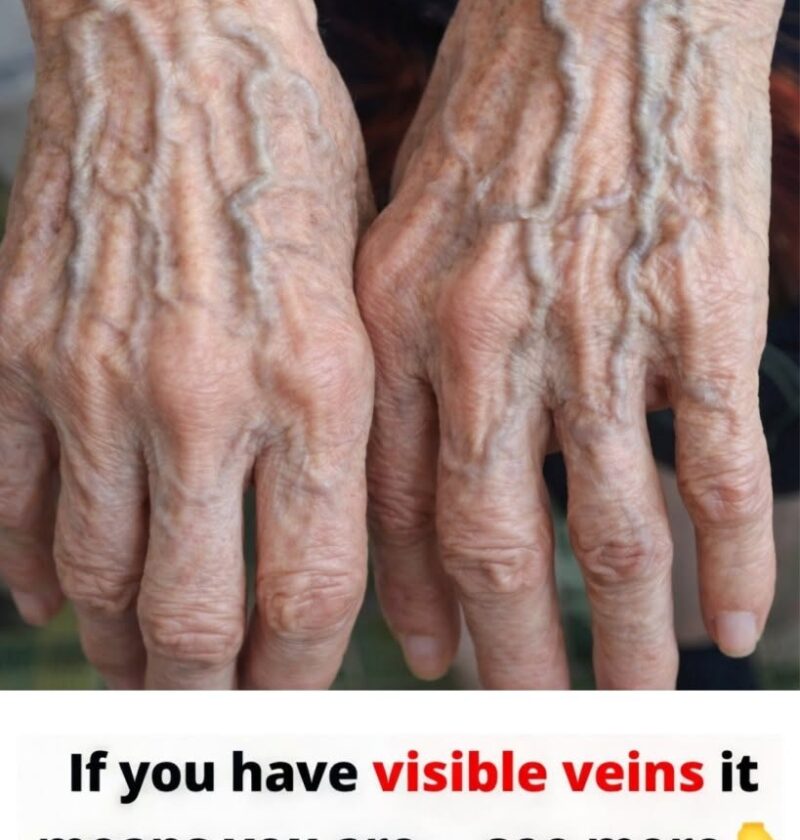
Bulging veins are common, especially on the legs, hands, and feet. In many cases they’re harmless, but sometimes they can be a sign of an underlying vein problem or, less commonly, a medical emergency.
When bulging veins are usually harmless
Bulging veins can be a normal finding if they:
- Become more noticeable after exercise.
- Stand out in hot weather.
- Are more visible with age as the skin becomes thinner.
- Are easier to see in people with lower body fat.
- Appear temporarily during pregnancy because of increased blood volume.
When they may indicate a vein condition
Bulging veins can be associated with varicose veins, which develop when vein valves weaken and allow blood to pool. Symptoms may include:
- Aching or heaviness in the legs.
- Throbbing, burning, or cramping.
- Swelling around the ankles.
- Itching over the affected veins.
- Skin discoloration or thickening near the ankles.
While varicose veins are often not dangerous, they can sometimes lead to complications such as skin ulcers, bleeding, or inflammation of the veins.
Warning signs that need prompt medical attention
Seek urgent medical care if a bulging vein is accompanied by:
- Sudden swelling of one leg.
- Significant pain, warmth, and redness, especially if symptoms develop quickly.
- Bleeding from a vein that won’t stop with firm pressure.
- A painful lump in a vein along with increasing redness or swelling.
- Shortness of breath, chest pain, coughing up blood, or fainting—these could indicate a blood clot that has traveled to the lungs and require emergency care.
Ways to support vein health
If your symptoms are mild, these measures may help:
- Walk or exercise regularly.
- Avoid sitting or standing for long periods.
- Elevate your legs when resting.
- Maintain a healthy weight.
- Wear compression stockings if recommended by a healthcare professional.
If bulging veins are painful, worsening, or affecting your quality of life, a healthcare professional can evaluate whether treatments such as compression therapy, sclerotherapy, laser treatment, or minimally invasive procedures are appropriate.
Most bulging veins are not an emergency, but new, painful, or rapidly changing symptoms—particularly if they involve one leg or are accompanied by chest symptoms—should be assessed without delay.