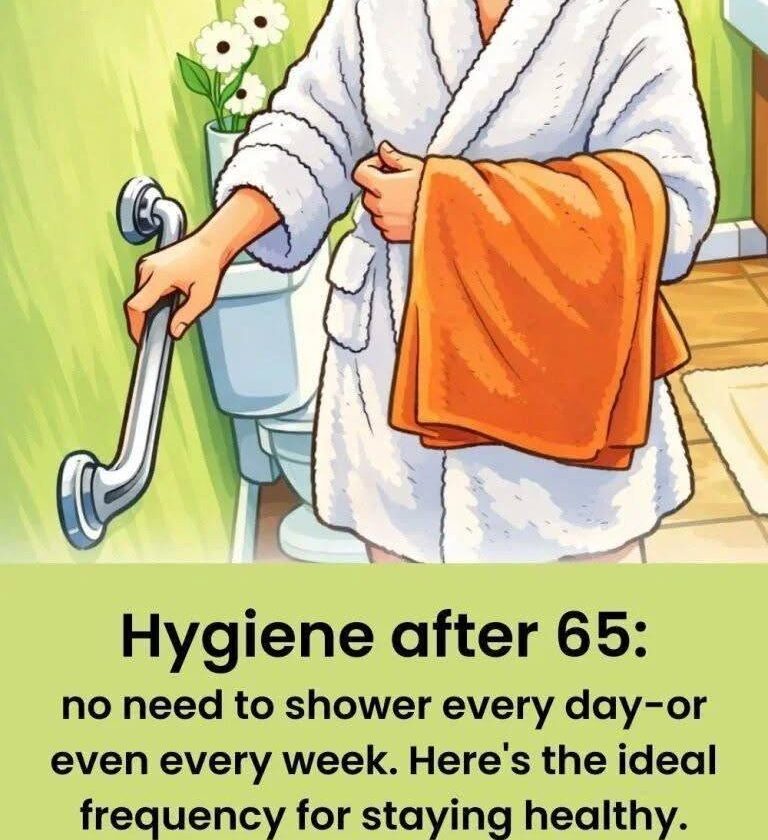
Why Daily Showers After 65 May Do More Harm Than Good
Daily showers are not automatically harmful after age 65, but many older adults may need to adjust their bathing habits because aging skin is often more delicate and prone to dryness.
Why frequent showering can sometimes cause problems
- Dryer, more sensitive skin
- Skin naturally produces less oil with age. Frequent hot showers and strong soaps can remove protective oils, leading to dryness, itching, or irritation.
- Worsening of skin conditions
- People with eczema, very dry skin, or sensitive skin may find that long, hot showers make symptoms worse.
- Skin barrier damage
- Over-washing can affect the skin’s ability to retain moisture and protect against irritants.
- Increased fall risk
- Getting in and out of the shower can be risky for some older adults, especially with slippery surfaces, balance issues, or weakness.
A healthier bathing routine may include:
- Showering as often as needed for comfort and hygiene (not necessarily every day).
- Using warm, not hot, water.
- Keeping showers shorter.
- Using gentle, fragrance-free cleansers.
- Moisturizing after bathing, especially on arms, legs, and hands.
- Using grab bars, a shower seat, or non-slip mats if balance is a concern.
When more frequent washing may be needed
Daily bathing may still be appropriate for people who:
- Sweat heavily
- Exercise regularly
- Work in environments with dirt or chemicals
- Need cleansing for certain medical or skin conditions
The best routine depends on a person’s skin, health, activity level, and comfort. If an older adult develops persistent itching, rashes, cracking skin, or frequent irritation, it may be worth discussing with a healthcare professional.