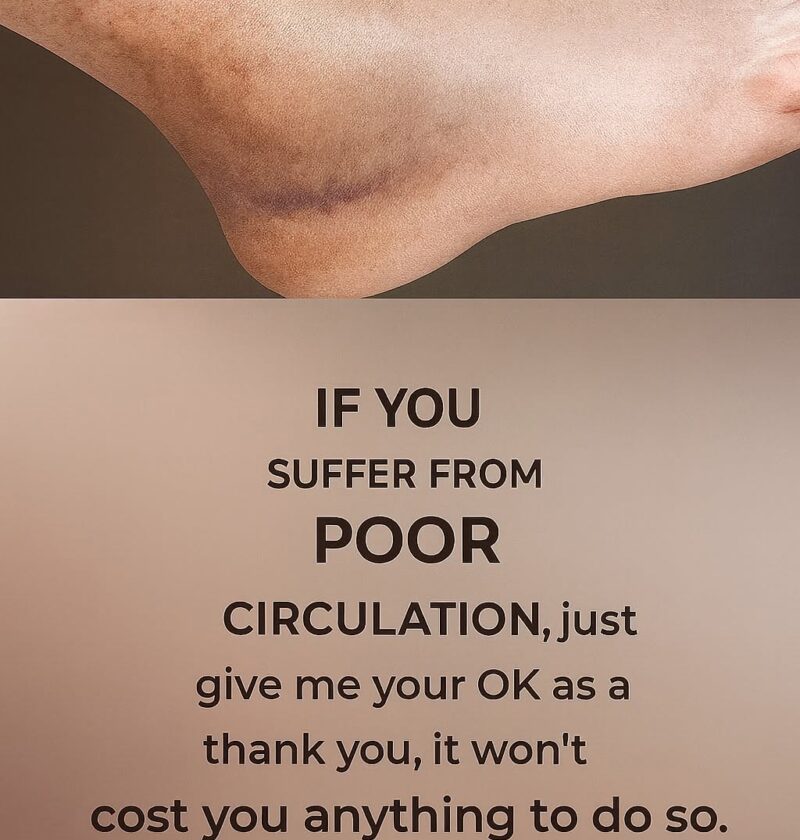
If your legs feel unusual and you suspect poor circulation, the right solution depends on the cause. “Poor circulation” is a broad term and can refer to problems with blood flow in arteries, veins, nerves, or muscles.
Leg symptoms that may suggest circulation problems
- Cold feet or legs, especially compared with the other side
- Numbness, tingling, or pins-and-needles
- Cramping or aching when walking that improves with rest (possible reduced arterial blood flow)
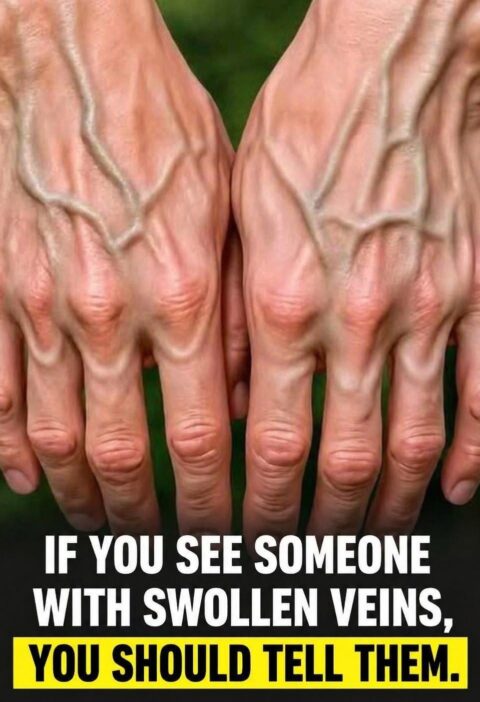
- Swelling around the ankles or lower legs (often related to veins)
- Skin color changes (pale, bluish, or reddish areas)
- Slow-healing cuts or sores
Steps that may help improve leg circulation
- Move regularly
- Walking and gentle leg exercises help encourage blood flow.
- Avoid sitting or standing still for long periods
- Stretch or move your legs every 30–60 minutes.
- Elevate your legs when appropriate
- Raising your legs can help reduce swelling from vein-related problems.
- Stay hydrated and maintain a healthy lifestyle
- A balanced diet, healthy weight, and avoiding smoking support blood vessel health.
- Wear properly fitted footwear
- This helps protect your feet, especially if you have diabetes.
- Manage health conditions
- Keeping blood pressure, cholesterol, and blood sugar controlled can reduce circulation risks.
Seek medical advice promptly if you have:
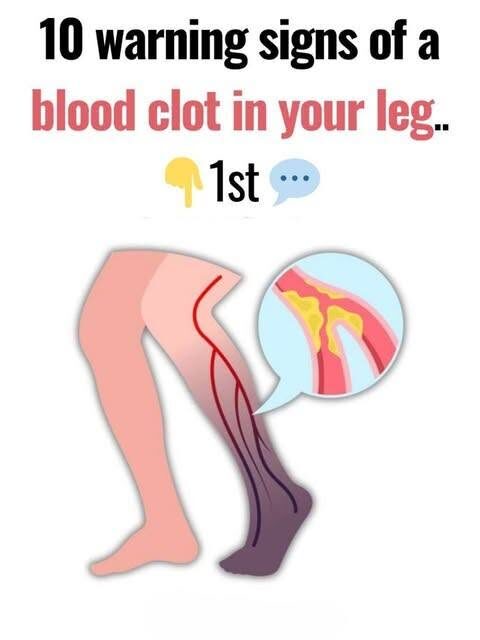
- A suddenly swollen, painful, warm, or red leg
- A foot or toe that turns blue, pale, or very cold
- A wound that will not heal
- Severe leg pain at rest
- New weakness or loss of sensation
If you describe what your legs feel like (cold, heavy, numb, burning, cramping, swollen, painful, or tingling), your age, and whether it affects one leg or both, I can help narrow down possible causes.