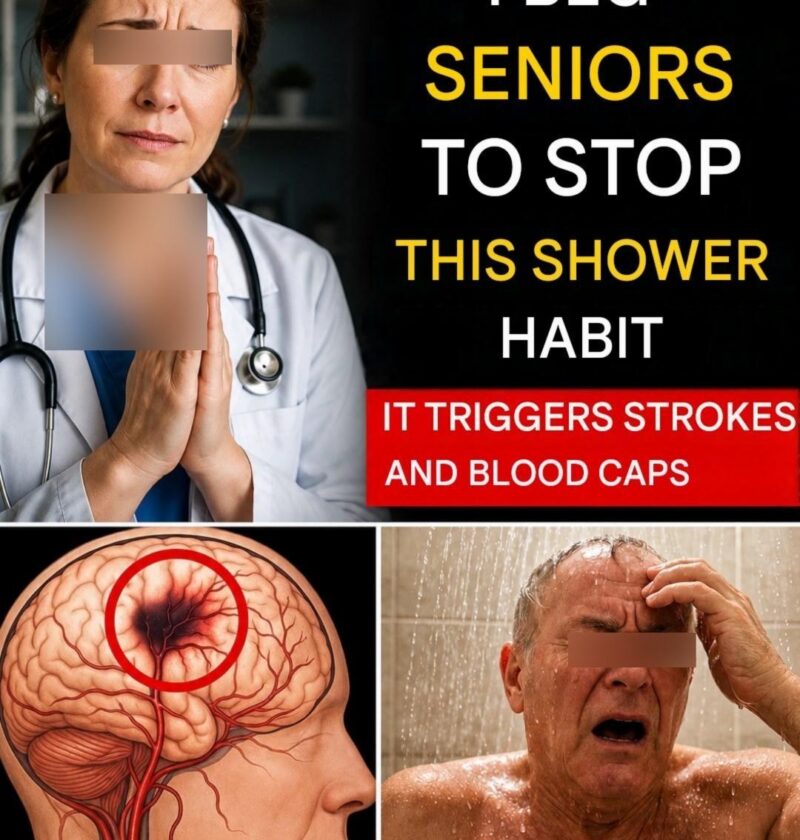
That headline is almost certainly clickbait. There is no medically accepted evidence that a normal “shower habit” by itself can suddenly increase the risk of a stroke overnight in healthy people.
What does exist are a few real, but much more specific, medical observations that articles like this often exaggerate:
1) Hot showers + sudden temperature change
Very hot water can temporarily lower blood pressure by dilating blood vessels. In rare cases, this may cause dizziness or fainting, especially in:
- older adults
- people with low blood pressure
- people on blood pressure medications
But fainting is not the same as a stroke.
2) Cold shock in vulnerable people
Sudden exposure to very cold water can briefly increase heart rate and blood pressure. In people with serious, pre-existing cardiovascular disease, extreme cold stress might slightly increase risk of cardiac events — but again, this is not a normal everyday shower scenario.
3) What actually increases stroke risk
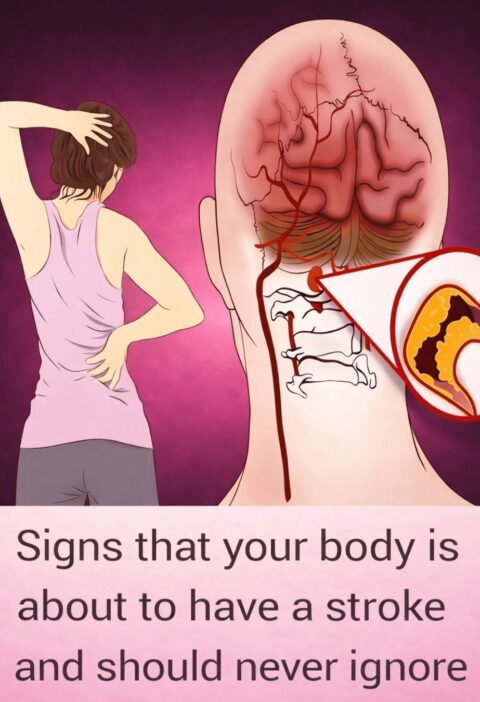
A Stroke is mainly linked to well-established factors like:
- high blood pressure (biggest one)
- diabetes
- smoking
- high cholesterol
- obesity
- irregular heart rhythm (atrial fibrillation)
- previous mini-stroke (TIA)
These risks build up over time — not from one nighttime shower habit.
4) Why these headlines exist
Articles like “a brain specialist is shocked” are usually:
- designed to trigger fear
- based on misinterpreted medical facts
- or loosely connected to rare case reports
- not real population-level evidence
Bottom line
A normal shower routine does not increase stroke risk overnight. If someone already has serious heart or blood pressure problems, very extreme hot or cold exposure might cause temporary issues like dizziness — but that’s different from causing a stroke.
If you want, I can break down what early warning signs of stroke actually are, so you can recognize the real risks quickly.