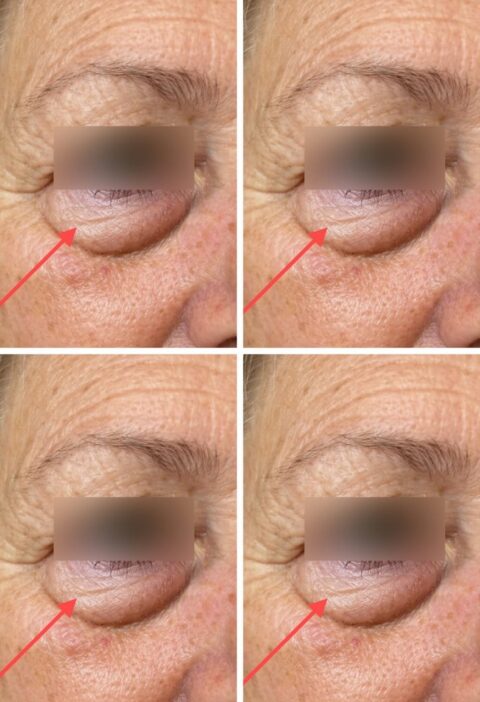
If you’re taking Amlodipine for high blood pressure or angina, some everyday habits can reduce how well it works or increase side effects like swelling, dizziness, flushing, or low blood pressure.
Here are 8 habits worth stopping or tightening up:
- Skipping doses “once in a while”
Amlodipine works best when blood levels stay steady. Missing doses can cause blood pressure swings and increase cardiovascular risk. - Eating large amounts of grapefruit or drinking grapefruit juice regularly
Grapefruit can affect how some calcium channel blockers are metabolized and may increase side effects in susceptible people. While the interaction with amlodipine is milder than with some other drugs, regular heavy intake is still best discussed with your doctor. - Standing up too quickly
Amlodipine can lower blood pressure enough to cause dizziness or lightheadedness, especially when starting treatment or increasing the dose. - Using NSAID painkillers too often without medical advice
Medications like Ibuprofen or Naproxen may reduce blood pressure control and can strain the kidneys in some people. - Eating a very high-salt diet
Too much sodium works against the blood-pressure-lowering effect of amlodipine and can worsen ankle swelling. - Heavy alcohol use
Alcohol and amlodipine together can amplify dizziness, flushing, headaches, and low blood pressure. - Stopping the medication suddenly because you “feel fine”
High blood pressure is often silent. Stopping treatment without guidance can allow blood pressure to rise again and increase risk of stroke or heart problems. - Ignoring swelling in the feet or ankles
Peripheral edema is one of the most common side effects of amlodipine. Mild swelling is common, but worsening swelling, shortness of breath, or rapid weight gain should be evaluated.
A few additional tips:
- Take it at the same time every day.
- Keep a home blood pressure log if possible.
- Tell your clinician about all supplements and medications you use.
- Seek urgent care for chest pain, severe dizziness, fainting, or allergic reactions.
For official medication information, see: