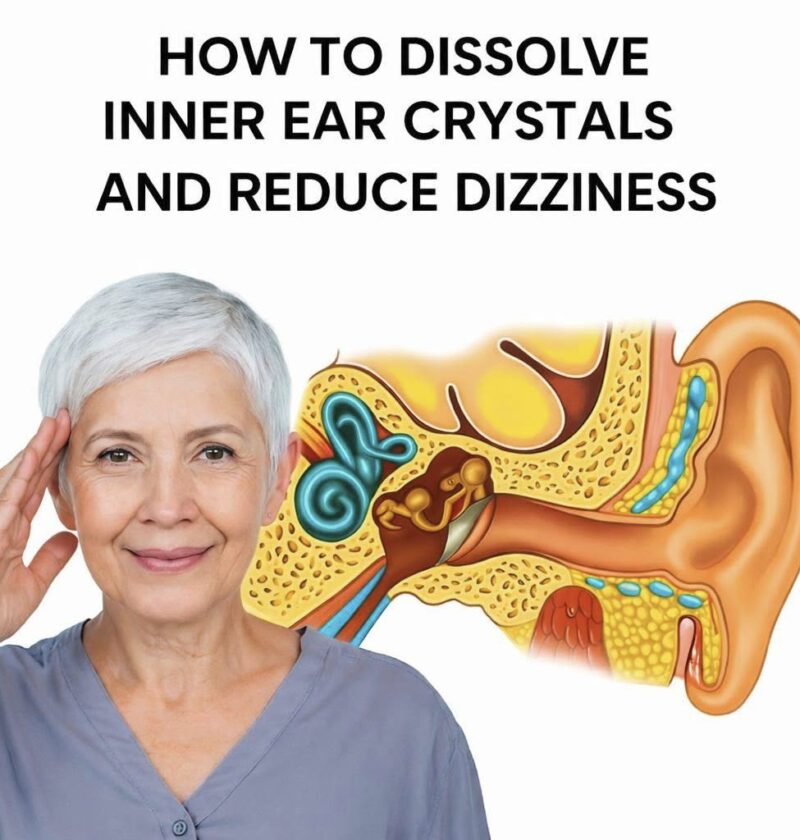
How to reposition the crystals
The most effective treatment is a series of head and body movements called canalith repositioning maneuvers. The best-known is the Epley maneuver, which can move the crystals back where they belong.
A healthcare professional can:
- Confirm that BPPV is the cause of your vertigo.
- Identify which ear is affected.
- Perform the appropriate repositioning maneuver.
- Teach you how to do it safely at home if it recurs.
The maneuver often relieves symptoms after one or a few treatments.
Can you do it at home?
Yes, but only if:
- A healthcare provider has already diagnosed BPPV.
- You know which ear is affected.
- You don’t have conditions (such as certain neck or spine problems) that make the maneuvers unsafe.
Using the wrong maneuver or treating the wrong ear may not help and can temporarily worsen dizziness.
Other ways to reduce vertigo
- Move slowly when changing positions.
- Sit on the edge of the bed for a minute before standing.
- Stay well hydrated.
- If symptoms are severe, your doctor may recommend short-term medications for nausea, though these don’t reposition the crystals.
When to seek medical care promptly
Vertigo isn’t always caused by BPPV. Get urgent medical attention if your dizziness is accompanied by:
- Sudden weakness or numbness.
- Difficulty speaking.
- Double vision.
- Severe headache unlike your usual headaches.
- Fainting.
- Chest pain.
- New hearing loss or persistent ringing in one ear.
These symptoms could indicate a more serious condition.
If your vertigo lasts more than a minute at a time, doesn’t improve after repositioning maneuvers, or keeps coming back, it’s worth seeing your primary care provider or an ear, nose, and throat specialist for evaluation.
If you describe:
- Your age
- Whether the spinning happens when you turn your head or roll over in bed
- Which ear seems affected (if known)
- How long each episode lasts (seconds, minutes, or hours)
I can help you determine whether BPPV is the most likely cause and discuss the most appropriate next steps.