Possible perceived benefits
Some people use baking soda as a:
- Physical exfoliant to remove dead skin cells.
- Temporary cleanser to help remove oil.
- Home remedy for body odor or insect bites (though not specifically for facial skincare).
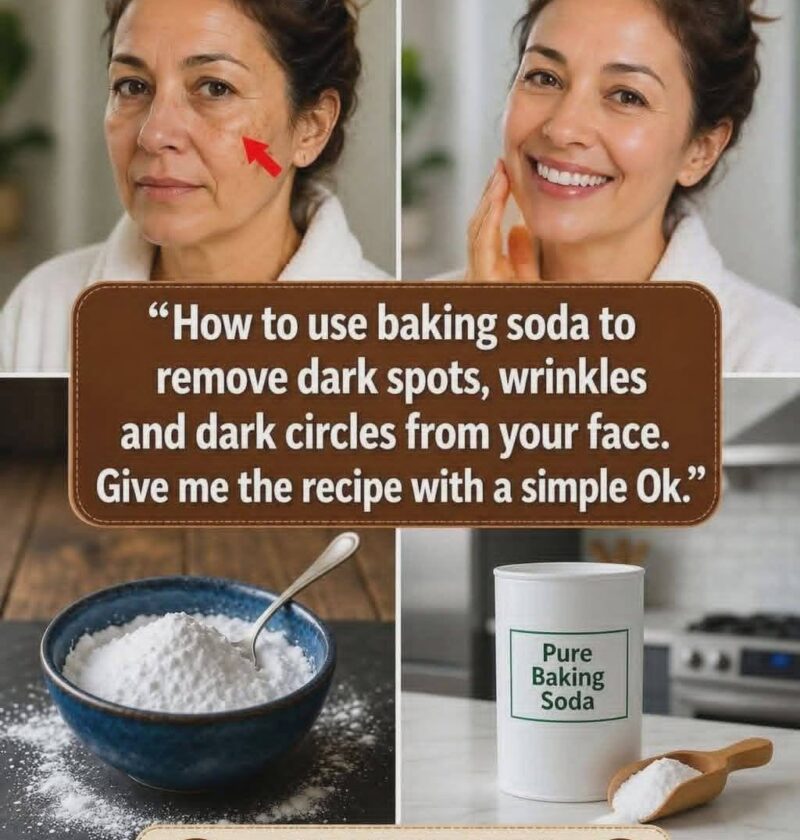
However, there is limited scientific evidence supporting its use as a facial skincare treatment.
Risks
Baking soda has a highly alkaline pH (around 8–9), while healthy skin is naturally slightly acidic (around pH 4.7–5.7). Applying baking soda can:
- Disrupt the skin’s protective barrier.
- Cause dryness and irritation.
- Lead to redness, burning, or stinging.
- Worsen acne or eczema in some people.
- Increase sensitivity to other skincare products.
These effects are more likely if it’s used frequently or rubbed onto the skin.
If you still want to try it
If you choose to use baking soda despite these risks:
- Mix a small amount with water to form a thin paste.
- Test it on a small area of skin first (such as along the jawline) and wait 24 hours for any reaction.
- Apply it gently for no more than 30–60 seconds.
- Rinse thoroughly with lukewarm water.
- Apply a fragrance-free moisturizer afterward.
- Avoid using it more than occasionally.
Do not use baking soda on:
- Broken or sunburned skin.
- Active eczema.
- Skin that is already irritated or very sensitive.
Better alternatives
For most skincare goals, products designed for the face are safer and more effective:
- Gentle cleansers for daily washing.
- Salicylic acid for acne-prone skin.
- Lactic acid or glycolic acid for gentle chemical exfoliation.
- Niacinamide for oil control and improving the skin barrier.
- A ceramide-containing moisturizer to help maintain healthy skin.
Overall, baking soda is not considered a safe or effective routine facial skincare ingredient. If you’re trying to treat acne, dark spots, oily skin, or rough texture, I can suggest options that are better supported by evidence and less likely to damage your skin.