The idea that “if you reach 60 without these 5 diseases, you have a high probability of living to 100” is an appealing health message, but it is not a guarantee. Reaching age 60 without major chronic diseases is generally associated with a better chance of healthy aging, but longevity depends on many factors, including genetics, lifestyle, environment, and access to healthcare.
The five conditions often mentioned in claims like this are usually major age-related diseases such as:
- Heart disease ❤️
- A leading cause of illness and death worldwide. Lower risk is linked with healthy blood pressure, cholesterol, activity levels, and diet.
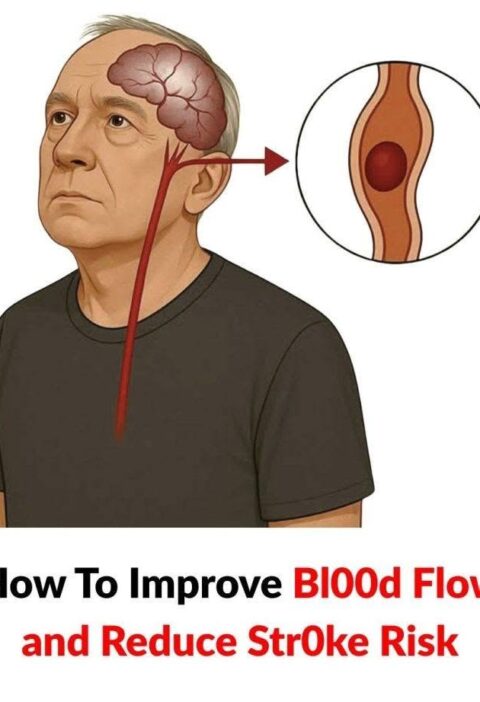
- Stroke 🧠
- Risk is influenced by factors like high blood pressure, diabetes, smoking, and heart health.
- Cancer 🎗️
- Avoiding cancer by age 60 may improve long-term outlook, though cancer risk can still change with age.
- Diabetes 🩸
- Long-term high blood sugar can affect the heart, kidneys, eyes, and nerves.
- Dementia or major cognitive decline 🧩
- Brain health is influenced by genetics, cardiovascular health, education, activity, and lifestyle factors.
People who reach older ages without these conditions often have what researchers call “healthy longevity”—a combination of delaying disease and maintaining physical and mental function. However, some people develop these conditions despite excellent habits, while others remain healthy due to a mix of many protective factors.
Habits that support healthy aging include:
- Regular physical activity (especially strength and balance exercises)
- A balanced diet rich in plants, protein, and fiber
- Not smoking
- Limiting alcohol
- Maintaining healthy blood pressure, cholesterol, and blood sugar
- Staying socially connected and mentally engaged
- Getting recommended health screenings
So, avoiding major chronic diseases by 60 is a positive sign, but it is one part of a much larger picture of living a long and healthy life.