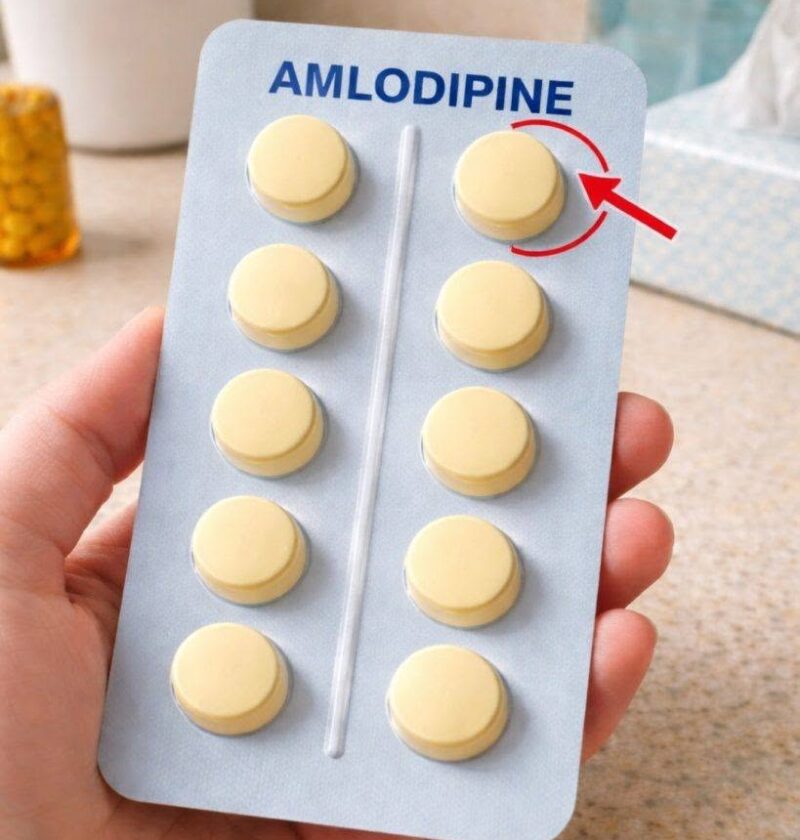
Amlodipine is a commonly prescribed medicine for high blood pressure (hypertension) and sometimes chest pain (angina). It belongs to a group of medicines called calcium channel blockers. It works by relaxing blood vessels, which helps lower blood pressure and reduce strain on the heart.
Claims like “stop these habits immediately if you take amlodipine” are often exaggerated, but some everyday habits can affect how well your treatment works or increase side effects.
8 habits to be careful about while taking amlodipine:
- Skipping doses or stopping suddenly
- Blood pressure can rise again if you stop taking it without medical advice.
- Eating a high-salt diet
- Too much sodium can make blood pressure harder to control, even when taking medication.
- Drinking too much alcohol
- Alcohol can lower blood pressure further and may increase dizziness or lightheadedness.
- Ignoring swelling in the ankles or feet
- Amlodipine can cause fluid-related ankle swelling in some people. Tell your healthcare provider if it is persistent or bothersome.
- Not checking your blood pressure
- Regular monitoring helps you and your doctor know whether treatment is working.
- Taking new medicines or supplements without checking
- Some medications and supplements can affect blood pressure or interact with your treatment.
- Being inactive
- Regular physical activity supports blood pressure control and heart health.
- Smoking
- Smoking damages blood vessels and increases cardiovascular risk, working against the benefits of blood pressure treatment.
Helpful habits:
✅ Take amlodipine at the same time each day as prescribed.
✅ Maintain a balanced diet rich in vegetables, fruits, and whole grains.
✅ Stay active according to your health level.
✅ Keep follow-up appointments.
Seek medical advice if you experience fainting, severe dizziness, chest pain, a fast or irregular heartbeat, or significant swelling.
If you take amlodipine, the “right” lifestyle changes depend on your health history, other medicines, and blood pressure goals.