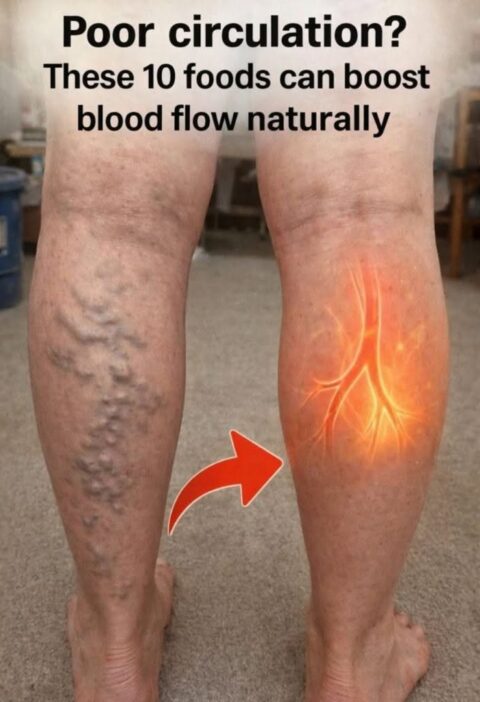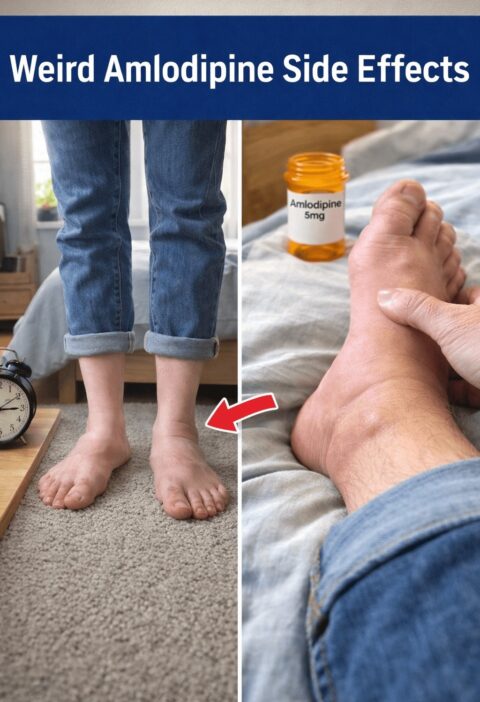
Night cramps (especially leg cramps during sleep) are common and can happen to anyone, but some people have a higher chance of experiencing them.
People more likely to get nighttime cramps include:
- Older adults
- Night leg cramps become more common with age due to changes in muscles, nerves, and circulation.
- People who are physically active or overuse their muscles
- Heavy exercise, long periods of standing, or unfamiliar activity can trigger cramps.
- People who are dehydrated
- Not drinking enough fluids, especially with sweating or hot weather, may increase the risk.
- Pregnant people
- Leg cramps are more common during pregnancy, especially later stages.
- People with certain medical conditions
- Conditions affecting nerves, circulation, muscles, or metabolism may contribute, including:
- Diabetes-related nerve problems.
- Kidney disease.
- Thyroid disorders.
- Peripheral artery disease.
- Conditions affecting nerves, circulation, muscles, or metabolism may contribute, including:
- People taking certain medications
- Some medicines, including certain diuretics (“water pills”) and others, may be linked with cramps in some people.
- People with tight or shortened muscles
- Limited flexibility, especially in the calf muscles, may make cramps more likely.
Ways to reduce the chance of cramps:
- Stay well hydrated.
- Stretch calf and leg muscles gently before bed.
- Stay physically active with regular, moderate exercise.
- Avoid suddenly increasing exercise intensity.
- Review medications with a healthcare professional if cramps begin after starting a new medicine.
See a healthcare professional if cramps are frequent, severe, causing weakness, associated with swelling or numbness, or regularly disturbing sleep, especially if you have an underlying health condition.