10 Warning Signs You’re Eating Too Much Sugar
Eating sugar occasionally is normal, but consistently consuming large amounts of added sugar can affect your energy, mood, metabolism, teeth, and overall health. Here are some common signs that your sugar intake may be higher than your body handles well:
1. Frequent energy crashes
You may feel a quick burst of energy after sugary foods, followed by tiredness, sluggishness, or difficulty concentrating. Rapid rises and drops in blood glucose can contribute to these “crashes.”
2. Constant cravings for sweets
A strong desire for sugary foods—especially soon after eating—can become a pattern when your taste preferences and reward pathways are repeatedly stimulated by high-sugar foods.
3. Increased hunger or overeating
High-sugar foods often provide calories without much fiber or protein, which can leave you feeling less satisfied and reaching for more food.
4. Mood swings or irritability
Some people notice changes in mood, anxiety, or irritability when their blood sugar fluctuates significantly.
5. Trouble sleeping
High intake of sugary foods, especially later in the day, may interfere with sleep quality for some people.
6. More frequent breakouts
Diets high in refined carbohydrates and added sugars may contribute to acne flare-ups in some individuals by influencing inflammation and hormone-related pathways.
7. Weight gain, especially around the waist
Excess calories from sugary drinks, desserts, and processed foods can contribute to weight gain and increased abdominal fat over time.
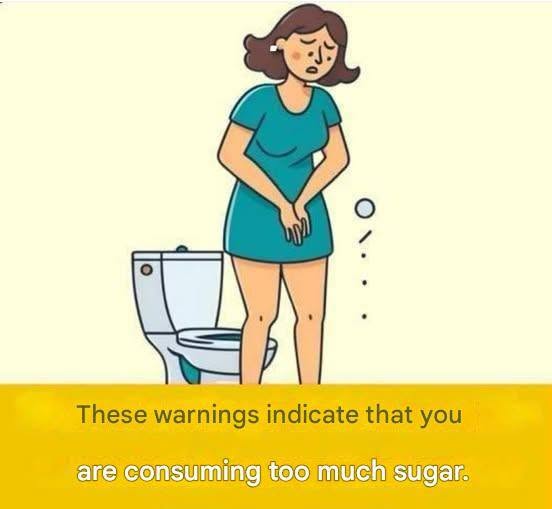
8. Increased thirst and frequent urination
Persistent excessive thirst and urination can be warning signs of high blood glucose and may require medical evaluation, especially if accompanied by fatigue, blurred vision, or unexplained weight changes.
9. Dental problems
Sugar feeds bacteria in the mouth, increasing the risk of tooth decay, cavities, and gum problems.
10. Difficulty cutting back on sugar
If you repeatedly try to reduce sugar but find it unusually difficult, it may indicate that your eating habits have become strongly tied to cravings, routines, or emotional triggers.
Ways to reduce sugar intake
- Choose water or unsweetened drinks instead of sugary beverages.
- Read labels and watch for added sugars (such as syrups, dextrose, maltose, and sucrose).
- Eat more protein, vegetables, whole grains, and fiber-rich foods to stay full.
- Replace sweets gradually rather than making extreme changes.
- Keep naturally sweet options like fruit available when cravings hit.
The goal is not necessarily to eliminate all sugar—naturally occurring sugars in foods like fruit and milk come with nutrients—but to reduce excess added sugar, which is where many people consume the most. If you notice symptoms like extreme thirst, frequent urination, or unexplained weight changes, consider discussing them with a healthcare professional.