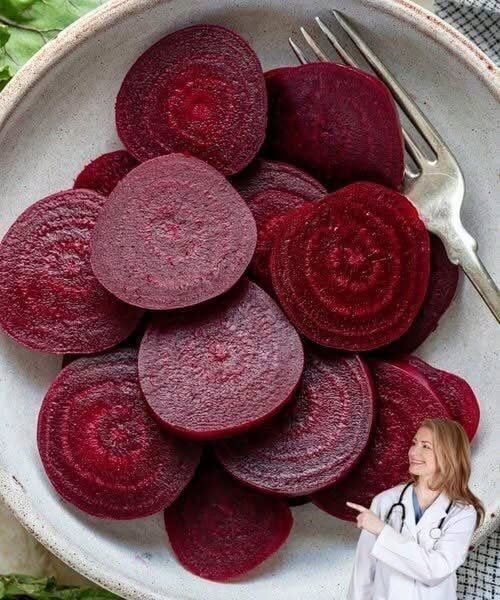
Doctors Reveal What Eating Beets Can Cause: Benefits, Effects, and Possible Concerns
Beets, also known as beetroot, are a colorful root vegetable that has gained attention for their potential health benefits. Rich in natural compounds, vitamins, minerals, and antioxidants, beets are often included in diets aimed at supporting heart health, exercise performance, and overall wellness. However, like any food, beets can also cause certain effects in the body, some beneficial and some surprising.
1. Beets Can Cause a Change in Urine and Stool Color
One of the most noticeable effects after eating beets is a change in the color of urine or stool. Some people may notice that their urine turns pink, red, or reddish-purple after consuming beetroot. This condition is known as beeturia.
Beeturia occurs because some of the natural pigments in beets, called betalains, pass through the digestive system and are excreted by the body. It is usually harmless and does not indicate bleeding or a medical problem.
However, if someone experiences red urine without recently eating beets, it may be worth discussing with a healthcare professional because other causes should be considered.
2. Beets May Support Heart Health
Beets contain naturally occurring nitrates, which the body can convert into nitric oxide. Nitric oxide helps blood vessels relax and widen, which may support healthy blood circulation.
Because of this effect, beetroot has been studied for its possible role in helping maintain healthy blood pressure levels. People who already take blood pressure medication or have cardiovascular conditions should speak with a healthcare provider before making major dietary changes.
3. Beets May Improve Exercise Performance
Many athletes and fitness enthusiasts consume beetroot juice because of its nitrate content. Research suggests that dietary nitrates may improve the efficiency of oxygen use during physical activity, potentially helping some people exercise longer or feel less tired during endurance activities.
The effect is not the same for everyone, and results can depend on factors such as fitness level, diet, and the amount consumed.
4. Beets Provide Important Nutrients
Beets are a source of several nutrients, including:
- Folate, which supports normal cell function
- Potassium, which helps maintain fluid balance and muscle function
- Vitamin C and other antioxidants
- Fiber, which supports digestive health
- Manganese, involved in metabolism and bone health
Including a variety of vegetables in the diet can help provide a broad range of nutrients.
5. Beets May Affect Blood Sugar Levels
Although beets contain natural sugars, they also contain fiber, which slows digestion. This means they generally do not act like highly processed sugary foods.
People with diabetes can often include beets as part of a balanced diet, but portion size and overall carbohydrate intake matter. Individual dietary needs vary, so people managing blood sugar should follow guidance from their healthcare provider.
6. Beets Can Cause Digestive Changes
Because beets contain fiber, eating large amounts suddenly may cause digestive symptoms in some people, including:
- Gas
- Bloating
- Changes in bowel movements
Increasing fiber gradually and drinking enough water can help reduce these effects.
7. People With Kidney Stone Risk May Need Caution
Beets contain oxalates, naturally occurring compounds found in many plant foods. In people who are prone to certain types of kidney stones, particularly calcium oxalate stones, consuming very high amounts of oxalate-rich foods may be a concern.
This does not mean everyone should avoid beets. Many people can eat them safely as part of a varied diet. Those with a history of kidney stones should ask their healthcare provider about appropriate food choices.
8. Beets Contain Powerful Antioxidants
The deep red-purple color of many beets comes from betalains, antioxidant compounds that help protect cells from oxidative stress. Antioxidants are part of a healthy eating pattern that includes fruits, vegetables, whole grains, and other nutrient-rich foods.
Scientists continue to study the possible long-term health effects of these compounds.
9. Raw, Cooked, and Juiced Beets Have Different Effects
Beets can be eaten in several forms:
- Raw beets: Provide fiber and nutrients but may be harder for some people to digest.
- Cooked beets: Softer and often easier to eat; some nutrients may change with cooking.
- Beet juice: Provides concentrated amounts of beet compounds but usually contains less fiber than whole beets.
Choosing whole foods most of the time generally provides a wider range of nutrients.
10. Who Should Be Careful With Beet Consumption?
Most healthy people can enjoy beets safely. However, extra care may be needed for people who:
- Have a history of kidney stones
- Take medications affecting blood pressure
- Have specific medical conditions requiring dietary restrictions
- Experience unusual symptoms after eating beets
A healthcare professional can provide advice based on an individual’s health situation.
Conclusion
Eating beets can cause several noticeable effects, from harmless red-colored urine to potential improvements in circulation and exercise performance. Beets are a nutrient-rich vegetable that can be part of a healthy diet for many people. However, consuming extremely large amounts or ignoring individual health conditions may lead to problems for some individuals.
The best approach is moderation and variety: enjoy beets alongside other vegetables, fruits, proteins, and whole foods. While beets are not a miracle food, they are a valuable addition to a balanced diet.
I can also turn this into a news-style viral article, YouTube script, or SEO blog post with a catchy headline if that is the format you need.