Does Your Avocado Have Dark Spots? Don’t Throw It Away! Here’s Why
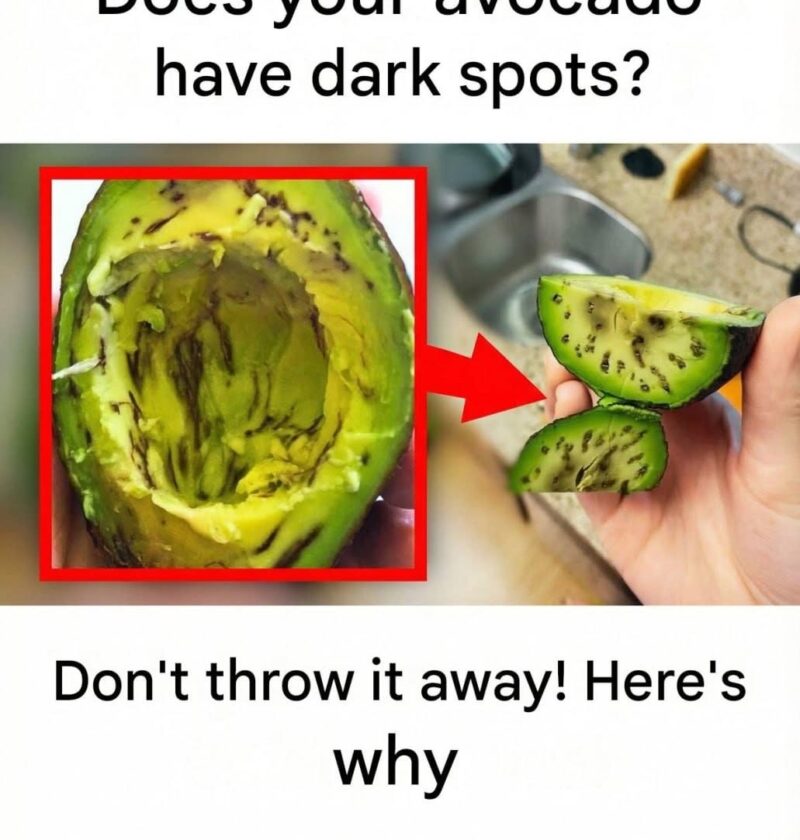
You cut open an avocado expecting bright green, creamy flesh — but instead, you find brown or dark spots inside. Many people immediately throw it away, assuming it has gone bad. However, those dark areas do not always mean the avocado is unsafe to eat.
Understanding why avocados develop dark spots can help reduce food waste and help you decide whether the fruit is still usable.
Why Do Avocados Get Dark Spots?
There are several reasons an avocado may develop brown or black areas:
1. Natural Oxidation
One of the most common causes of dark spots is oxidation. When the inside of an avocado is exposed to air after cutting, natural enzymes react with oxygen and cause the flesh to turn brown.
This is similar to what happens when apples or bananas change color after being sliced. Oxidation usually affects appearance more than safety.
2. Overripe Areas
As an avocado becomes very ripe, parts of the flesh may soften and develop brown patches. These areas can have a slightly different texture but may still be edible if there is no unpleasant smell or signs of spoilage.
3. Bruising
Avocados can develop dark spots from being dropped, squeezed, or handled roughly during transportation. A bruised avocado may have brown or gray areas beneath the skin where the fruit tissue was damaged.
4. Storage Conditions
Extreme temperatures or improper storage can sometimes affect avocado quality. Keeping avocados in the refrigerator too early may slow ripening, while leaving a ripe avocado at room temperature too long can speed up deterioration.
When Are Dark Spots Safe to Eat?
An avocado with a few small brown spots may still be perfectly fine. You can usually cut away the affected areas and use the remaining green flesh if:
- It smells fresh or neutral
- The texture is mostly creamy
- There is no visible mold
- The discoloration is limited
A slightly brown avocado can still work well in smoothies, guacamole, spreads, or sauces.
When Should You Throw an Avocado Away?
It is better to discard an avocado if you notice:
- Mold growth (especially fuzzy white, blue, or green patches)
- A strong sour, fermented, or rotten smell
- Slimy or unusually watery texture
- Large areas of black, damaged flesh throughout
- A bitter or unpleasant taste
These signs suggest the avocado has spoiled.
How to Prevent Avocado Browning
You can slow down browning with a few simple tricks:
Store Cut Avocado Properly
Keep leftover avocado in an airtight container or tightly wrap it to reduce air exposure.
Add Lemon or Lime Juice
The acidity can slow oxidation and help preserve the green color.
Keep the Pit In (With Limits)
Leaving the pit in one part of a cut avocado may reduce browning on the surface directly underneath it, but it does not protect the entire avocado.
Refrigerate Ripe Avocados
Once an avocado reaches your preferred ripeness, storing it in the refrigerator can help extend its freshness.
The Bottom Line
Dark spots in an avocado do not automatically mean it belongs in the trash. In many cases, they are simply caused by oxidation, bruising, or natural ripening. Check the smell, texture, and overall condition before deciding.
A few brown spots can often be removed, allowing you to enjoy the rest of the fruit while reducing unnecessary food waste.
I can also rewrite this as a viral Facebook-style food article, YouTube narration, or SEO blog post with a stronger curiosity headline.