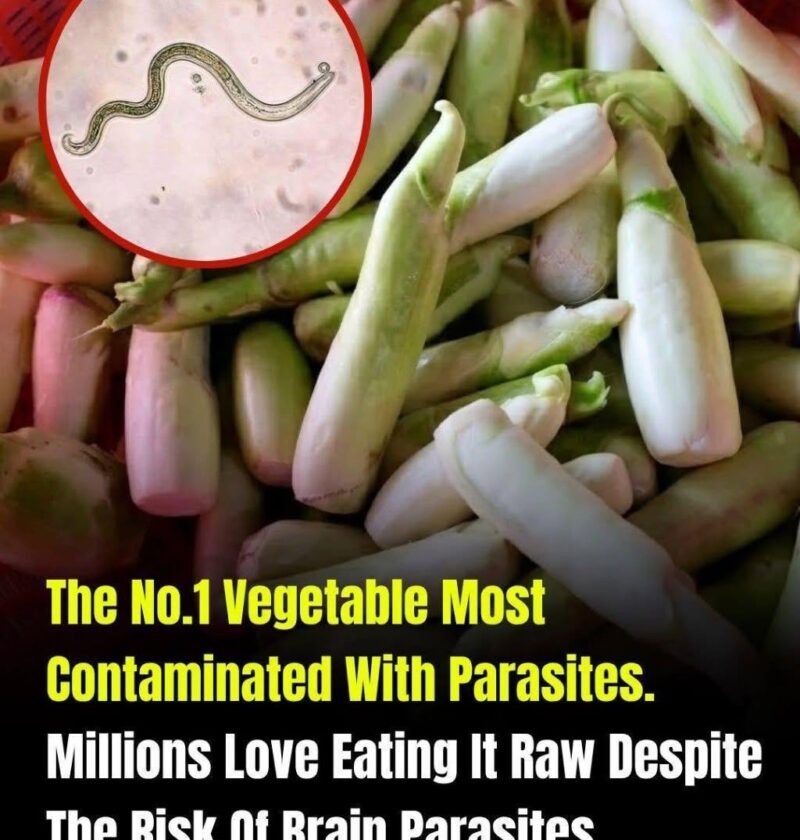
However, some vegetables can carry a higher risk of parasites or harmful microbes when they are eaten raw or are grown in conditions where soil, irrigation water, or animal waste may contaminate them. Higher-risk examples include:
- Leafy greens (such as lettuce, spinach, and herbs) — their many folds and surfaces can trap soil and contaminated water.
- Raw salad vegetables — especially when not washed properly.
- Root vegetables (such as carrots or radishes) — because they grow in soil where contamination can occur.
How to reduce the risk
✅ Wash vegetables thoroughly under running water.
✅ Rub or scrub firm produce with a clean brush.
✅ Remove damaged outer leaves from leafy greens.
✅ Keep raw vegetables separate from raw meat and poultry.
✅ Cook vegetables when appropriate, especially for people at higher risk of infection.
A vegetable being associated with contamination risk does not mean it is unsafe—proper handling and preparation greatly reduce the chance of illness.
If you’re referring to a specific “first comment” from a post, paste the comment or tell me the vegetable mentioned, and I can check whether the claim is accurate.