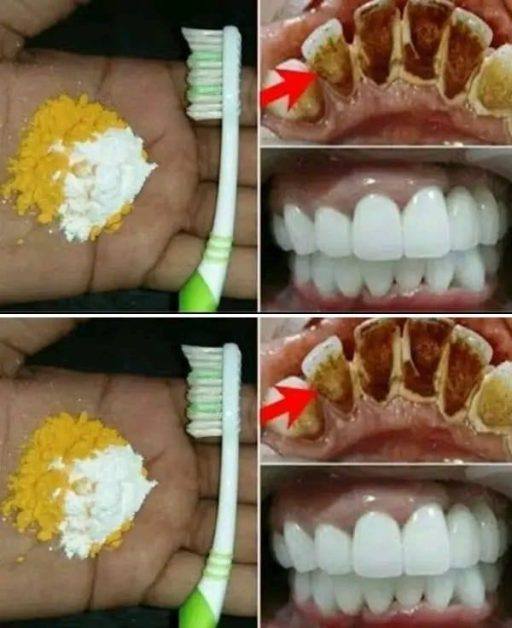
“Whiter teeth in just 2 minutes” is mostly marketing hype. In real dentistry, noticeable whitening doesn’t happen that fast in a safe or meaningful way.
What can happen in a couple of minutes is this:
- A surface polish (like brushing or a whitening toothpaste) may remove some surface stains temporarily
- Teeth can look slightly brighter right after brushing because plaque and film are removed
But actual whitening—changing the intrinsic color of teeth—requires chemical bleaching over time.
What actually works for home teeth whitening
Most effective at-home methods rely on peroxide-based agents:
- Whitening strips (usually hydrogen peroxide or carbamide peroxide)
- Whitening gels with trays
- Whitening toothpaste (mild stain removal only)
These typically take:
- A few days to 2 weeks for visible change
- Several weeks for full effect depending on stain level
Why “2 minutes” claims are misleading
Tooth enamel doesn’t bleach instantly. Whitening chemicals need time to:
- Penetrate enamel
- Break down pigmented molecules inside the tooth structure
Even professional treatments done by dentists take about 30–60 minutes per session, and results still continue improving over days afterward.
Safe expectation
If you’re seeing “instant 2-minute whitening,” it’s usually:
- Optical brightening effects (temporary visual trick)
- Surface cleaning, not true whitening
- Sometimes exaggerated advertising
If you want faster real results
Dentist-supervised whitening using stronger peroxide gels (like in-office bleaching) is the quickest reliable option, but still not 2 minutes—it’s typically a full appointment.
If you want, tell me your budget and how sensitive your teeth are, and I can suggest a realistic at-home whitening plan that actually works.