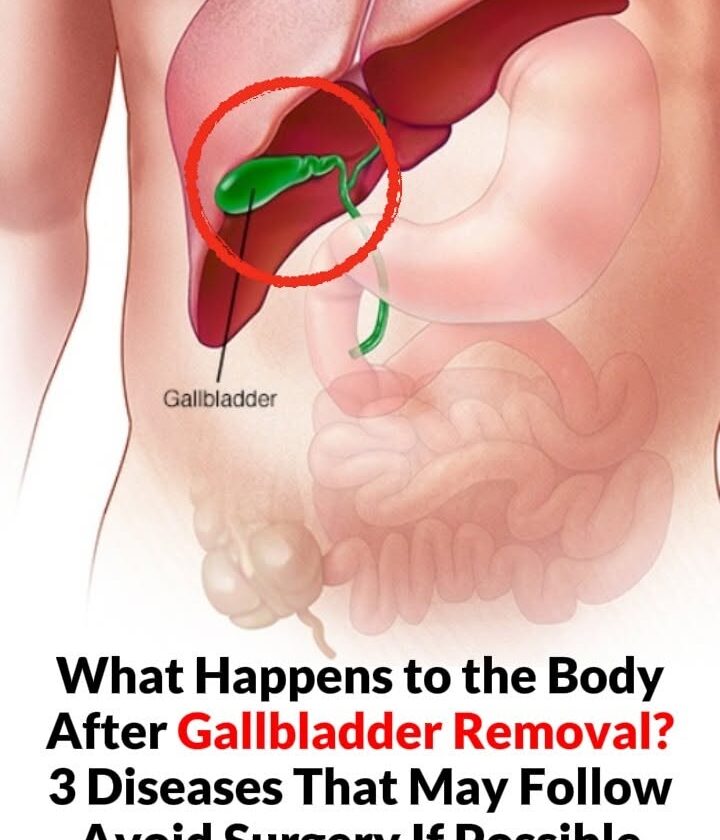
What Happens to the Body After Gallbladder Removal? Understanding Possible Health Changes
Gallbladder removal surgery (cholecystectomy) is a common procedure, usually performed to treat problems such as painful gallstones, repeated gallbladder inflammation, or complications from gallbladder disease. Many people recover well and return to normal life without major long-term issues.
The gallbladder stores and concentrates bile, a digestive fluid made by the liver. After removal, bile still reaches the intestine, but it flows more continuously rather than being released mainly after meals.
Possible changes after gallbladder removal
1. Digestive changes
Some people experience:
- Loose stools or diarrhea
- Gas and bloating
- Trouble digesting very fatty meals
- Urgency to use the bathroom after eating
These symptoms often improve over time, though a small number of people may have persistent issues.
2. Bile-related diarrhea
Without a gallbladder, more bile may enter the intestine at certain times. In some people, excess bile can irritate the colon and lead to chronic diarrhea. Doctors may treat this with dietary changes or medications that bind bile acids.
3. Changes in fat digestion
Most people can still digest fats after surgery, but very high-fat meals may cause discomfort. Eating smaller meals and gradually reintroducing fatty foods can help.
Are there “3 diseases” that commonly follow gallbladder removal?
There is no standard medical list of three diseases that everyone develops after gallbladder removal. However, research has looked at possible associations between cholecystectomy and certain conditions, including:
- Bile acid diarrhea (a recognized complication in some patients)
- Changes in cholesterol and bile metabolism
- Digestive symptoms such as functional bowel problems in some individuals
These risks do not mean that gallbladder removal is harmful for everyone. For people with dangerous gallstones, infections, blocked bile ducts, or recurrent attacks, surgery may prevent serious complications.
Can surgery be avoided?
Sometimes, depending on the situation. Options may include:
- Dietary changes to reduce gallbladder attacks
- Weight management if appropriate
- Medical monitoring for mild symptoms
However, avoiding surgery may not be safe if there is:
- Repeated gallbladder inflammation
- Infection
- A blocked bile duct
- Pancreatitis caused by gallstones
- Certain high-risk gallbladder findings
The right choice depends on the reason surgery is being considered, the severity of symptoms, and your overall health.
If you are deciding whether to have gallbladder surgery, it helps to discuss:
- Why the surgery is recommended
- What happens if you wait
- Your personal risk of complications
- Non-surgical options that apply to your case
I can also provide a “gallbladder removal: myths vs facts” guide or a list of questions to ask your surgeon before surgery.