Complete Guide to Cassava, Food Safety Risks, and Global Consumption
Understanding the Viral Claim About the “World’s Deadliest Food”
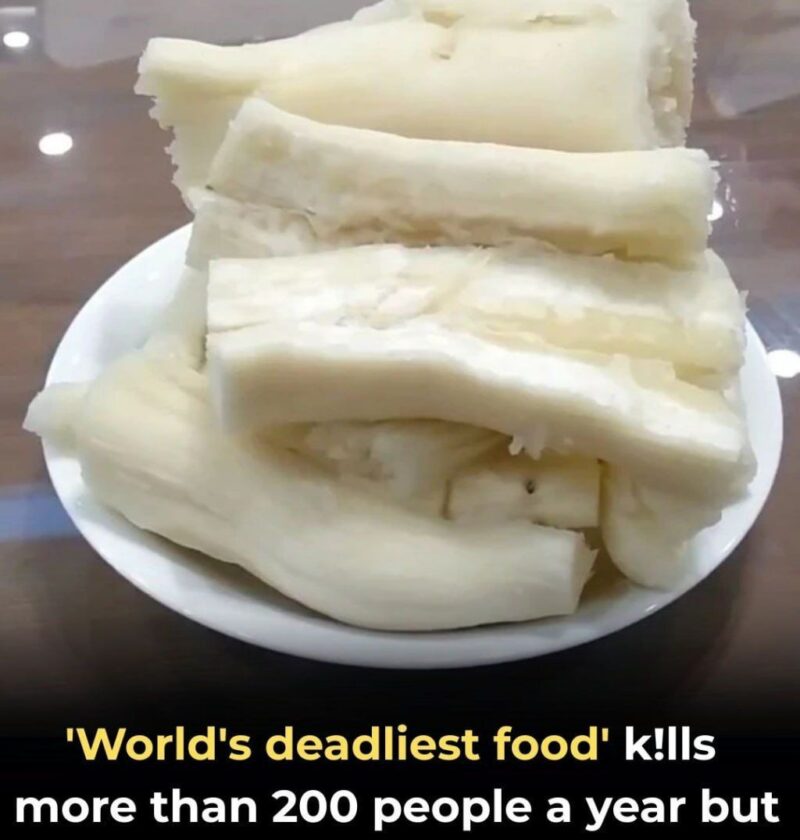
Headlines such as “Over 200 people are killed by the world’s deadliest food every year” usually refer to cassava, a staple root vegetable consumed by hundreds of millions of people worldwide. These dramatic statements are often designed to shock readers, but they usually lack important context.
Cassava is not inherently “deadly” when properly prepared. Instead, the risk comes from improper processing, which can leave behind natural toxins found in the plant.
Search terms related to this topic include:
- is cassava dangerous to eat
- cassava poisoning symptoms
- cyanide in cassava explanation
- safe ways to cook cassava
- cassava benefits and risks
- foods with natural toxins
Understanding cassava requires separating fear-based headlines from real food science.
What Is Cassava?
Cassava (also known as yuca or manioc) is a starchy root vegetable grown widely in Africa, Asia, and South America. It is a major source of carbohydrates for millions of people due to its ability to grow in harsh climates.
Cassava is commonly used to make:
- Flour (tapioca)
- Chips and snacks
- Boiled or fried root dishes
- Traditional porridges
Despite its importance as a staple food, cassava contains naturally occurring compounds that require proper preparation.
Why Cassava Can Be Risky if Improperly Prepared
Cassava contains compounds called cyanogenic glycosides, which can release hydrogen cyanide when not properly processed.
Hydrogen cyanide is toxic in high amounts, which is why improper preparation of cassava can lead to poisoning.
However, it is important to understand:
- Properly prepared cassava is safe to eat
- Traditional cooking methods have been used safely for centuries
- Poisoning cases occur mainly in regions with food shortages or improper processing
This is why cassava is often included in searches like cyanide removal from cassava and how to safely prepare cassava root.
Why Millions of People Still Eat Cassava Safely
Despite its risks when mishandled, cassava is a vital food source for over 500 million people worldwide.
Reasons for its widespread consumption include:
- High carbohydrate content (energy source)
- Ability to grow in poor soil conditions
- Drought resistance
- Affordable and accessible staple food
- Versatility in cooking
When properly processed, cassava becomes a safe and nutritious part of the diet.
How Traditional Preparation Makes Cassava Safe
The key to cassava safety lies in proper preparation methods that remove or reduce toxic compounds.
Common traditional methods include:
1. Peeling
Most toxins are concentrated in the skin, so peeling is essential.
2. Soaking
Soaking cassava in water helps reduce cyanogenic compounds.
3. Boiling
Cooking cassava thoroughly helps break down harmful substances.
4. Fermentation (in some cultures)
Fermentation is another method used to detoxify cassava before consumption.
These techniques have been used safely for generations in many parts of the world.
Health Risks of Improper Cassava Consumption
If cassava is not properly processed, it may lead to cyanide exposure, which can cause:
- Nausea
- Dizziness
- Headaches
- Weakness
- In severe cases, neurological damage
However, such cases are strongly linked to improper preparation, not normal dietary consumption.
Is Cassava Really the “World’s Deadliest Food”?
The phrase “world’s deadliest food” is misleading. Cassava is not dangerous when prepared correctly. The danger comes from human error, not the food itself.
Many foods contain natural toxins, but proper cooking makes them safe. Examples include:
- Kidney beans (contain lectins when raw)
- Bitter almonds (contain cyanide compounds)
- Raw potatoes (contain solanine in high amounts)
Cassava is part of this same category of foods that require proper preparation.
Nutritional Benefits of Cassava
When safely prepared, cassava provides:
- Carbohydrates for energy
- Small amounts of fiber
- Vitamin C
- Resistant starch (in some forms)
It is not a protein-rich food, but it serves as an important energy staple in many regions.
Why Sensational Headlines Spread So Easily
Headlines about “deadly foods” tend to go viral because they:
- Use fear-based language
- Oversimplify complex science
- Ignore cultural food practices
- Focus on rare incidents rather than daily safe use
In reality, cassava is a survival crop that plays a crucial role in global food security.
Safe Consumption Guidelines for Cassava
To safely enjoy cassava:
- Always peel before cooking
- Never eat raw cassava
- Cook thoroughly until soft
- Use properly processed cassava flour products
- Follow traditional preparation methods
These steps significantly reduce any potential risk.
Final Thoughts on Cassava and Food Safety Myths
Cassava is not a “deadly food” in the way viral headlines suggest. It is a globally important staple crop that becomes safe when properly prepared. The real issue is not the food itself, but the lack of correct processing in certain situations.
Like many natural foods, cassava requires proper handling, but when prepared correctly, it is a safe and valuable source of energy for millions of people worldwide.
Part 2: Simple Guide – Safe Cassava Preparation
Ingredients
- Fresh cassava root
Basic Steps
- Peel the outer skin completely.
- Cut cassava into small pieces.
- Soak in water for several hours (optional but recommended).
- Boil thoroughly until soft.
- Drain water and serve cooked cassava.
Important Safety Notes
- Never eat raw cassava
- Always cook thoroughly
- Follow traditional preparation methods