Some foods contain natural compounds that can affect blood clotting or platelet function, but no food should be considered a substitute for prescribed blood-thinning medication. If you’re taking an anticoagulant (such as warfarin, apixaban, rivaroxaban, or dabigatran) or an antiplatelet drug (such as aspirin or clopidogrel), it’s important to discuss major dietary changes or supplements with your healthcare provider.
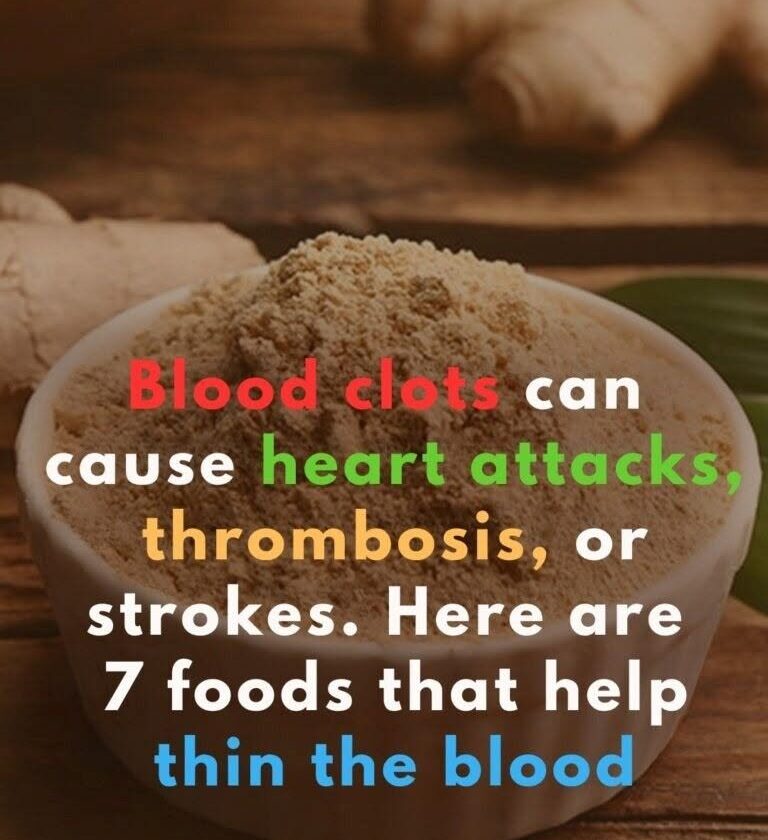
Here are seven foods commonly discussed for their potential blood-thinning effects:
- Garlic
- Contains sulfur compounds that may reduce platelet aggregation.
- The effect from normal culinary use is generally mild.
- Ginger
- Contains compounds that may have mild antiplatelet activity.
- Large amounts or supplements may increase bleeding risk in some people.
- Turmeric
- Contains curcumin, which has anti-inflammatory properties and may affect platelet function.
- High-dose supplements have a greater potential for interactions than using turmeric in cooking.
- Fatty fish
- Fish such as salmon, sardines, and mackerel provide omega-3 fatty acids, which can have modest effects on platelet function as part of a balanced diet.
- Cinnamon
- Cassia cinnamon contains coumarin, a compound that can affect blood clotting in large amounts.
- Regular use of large quantities is not recommended, partly because excess coumarin may also harm the liver.
- Grapes
- Grapes contain polyphenols that may have modest effects on platelet activity, although evidence is limited.
- Tomatoes
- Some research suggests tomatoes may have mild antiplatelet effects, but they should not be relied upon to prevent blood clots.
Important points
- These foods do not reliably “thin the blood” enough to prevent or treat blood clots.
- If you’re taking warfarin, keep your intake of vitamin K–rich foods (such as spinach, kale, and broccoli) consistent rather than avoiding them altogether, as sudden changes can affect how the medication works.
- Seek immediate medical care if you have symptoms of a blood clot (such as sudden leg swelling, chest pain, or shortness of breath) or significant bleeding.
Including these foods as part of a varied, balanced diet may have health benefits, but they should not replace medical treatment when blood-thinning therapy is indicated.