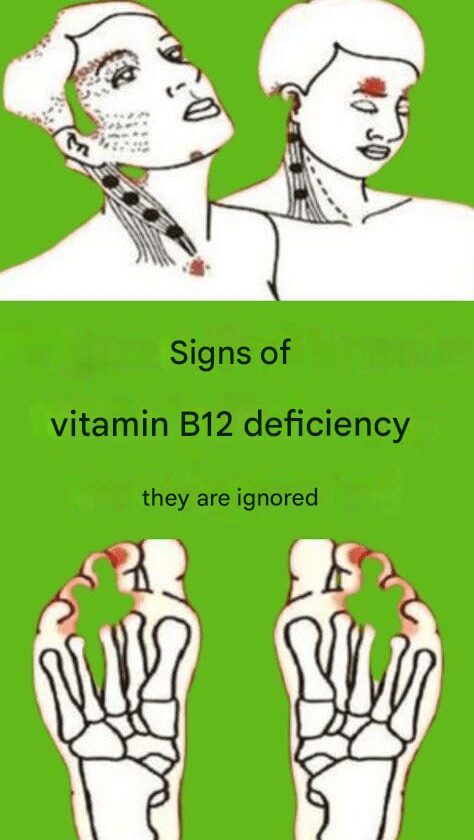
Vitamin B12 deficiency can be easy to overlook because early symptoms are mild, vague, or mistaken for stress, poor sleep, or general weakness. But ignoring it can allow nerve and blood-related damage to progress.
Vitamin B12 deficiency typically develops gradually, and the signs often fall into a few patterns:
Common early symptoms
- Constant tiredness or low energy
- Weakness, especially in legs or hands
- Pale or slightly yellowish skin
- Shortness of breath on mild exertion
- Fast heartbeat or palpitations
Nerve and brain-related symptoms (more serious)
- Tingling or “pins and needles” in hands/feet
- Numbness or reduced sensation
- Balance problems or unsteady walking
- Brain fog, poor memory, difficulty concentrating
- Irritability, low mood, or depression-like symptoms
Mouth and digestion signs
- Sore or red tongue (glossitis)
- Mouth ulcers
- Reduced appetite
- Mild weight loss
Why ignoring it is risky
If B12 stays low for a long time, nerve damage can become partially irreversible, especially symptoms like numbness, balance issues, or cognitive changes. Blood-related issues can also progress into a type of anemia where the body makes abnormally large, inefficient red blood cells.
Common causes (so you know what to watch for)
- Low intake (especially strict vegetarian or vegan diets without supplements)
- Poor absorption (stomach or intestinal problems)
- Long-term use of certain acid-reducing medicines
- Autoimmune conditions affecting intrinsic factor (pernicious anemia)
What should be done
If these symptoms sound familiar, the practical step is simple:
- A blood test for B12 level (and sometimes MMA or homocysteine)
- Early treatment with B12 tablets or injections, depending on the cause
If you want, describe your symptoms (even briefly), and I can help you figure out whether it sounds like B12 deficiency or something else more likely.