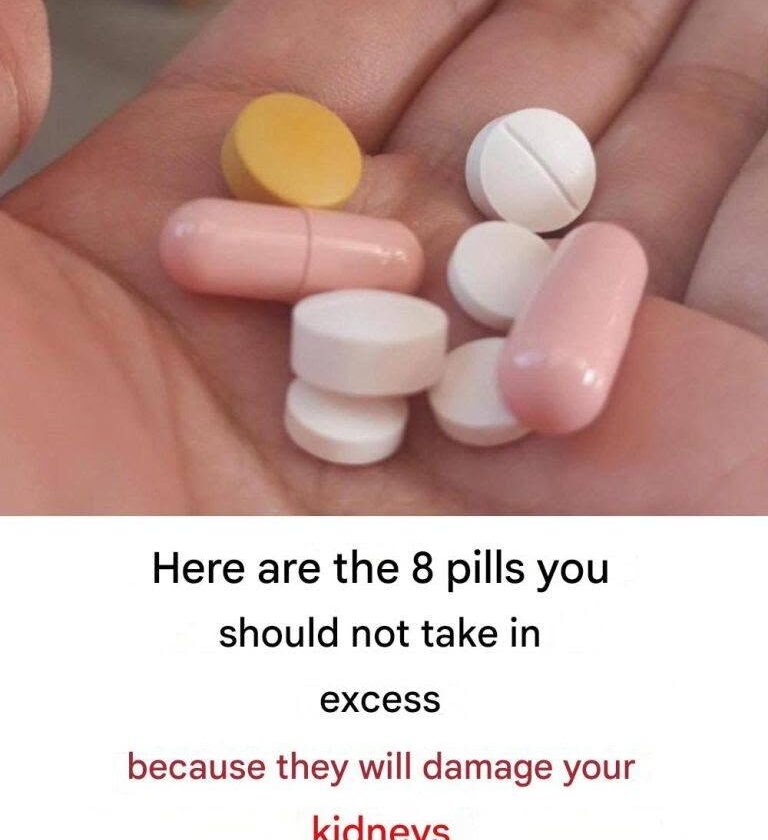
There are no eight specific pills that everyone should avoid, because kidney risk depends on the medication, dose, duration, your age, hydration, and existing health conditions. However, health experts commonly warn about these categories of medicines because they can cause kidney injury in some people:
1. Nonsteroidal anti-inflammatory drugs (NSAIDs)
Examples:
- Ibuprofen
- Naproxen
- Diclofenac
Frequent or high-dose use can reduce blood flow to the kidneys and may trigger acute kidney injury, especially in people with kidney disease, dehydration, heart failure, or older age.
2. High-dose aspirin
Large doses or long-term misuse of aspirin can affect kidney function, particularly in people with risk factors.
3. Certain antibiotics
Some antibiotics can stress the kidneys, especially:
- Aminoglycosides (such as gentamicin)
- Vancomycin
- Some other antibiotics requiring dose adjustments in kidney disease
4. Proton pump inhibitors (PPIs) for acid reflux
Examples:
- Omeprazole
- Pantoprazole
Rarely, these medicines have been linked to kidney inflammation (acute interstitial nephritis), especially with prolonged use.
5. Some blood pressure medicines (in certain situations)
Examples:
- ACE inhibitors
- ARBs
These drugs are often kidney-protective for many patients, but they can cause problems in certain situations, such as severe dehydration or improper use with other medications.
6. Diuretics (“water pills”)
Examples:
- Furosemide
They can contribute to kidney problems if they cause excessive fluid loss or dehydration.
7. Certain chemotherapy and immune-suppressing medicines
Some cancer and transplant medications can be toxic to the kidneys and require monitoring.
8. Some supplements and herbal pills
Certain unregulated supplements, high-dose vitamins, or herbal products may contain substances that can harm kidneys or interact with medicines.
Signs that a medicine may be affecting your kidneys
Seek medical advice if you notice:
- Much less urine than usual
- Swelling in legs or around the eyes
- Unusual fatigue
- Nausea or confusion
- Sudden changes in blood pressure
Important: Don’t stop prescribed medicines on your own. If you take regular medications, a doctor or pharmacist can review them for kidney safety, especially if you have diabetes, high blood pressure, kidney disease, or are older.