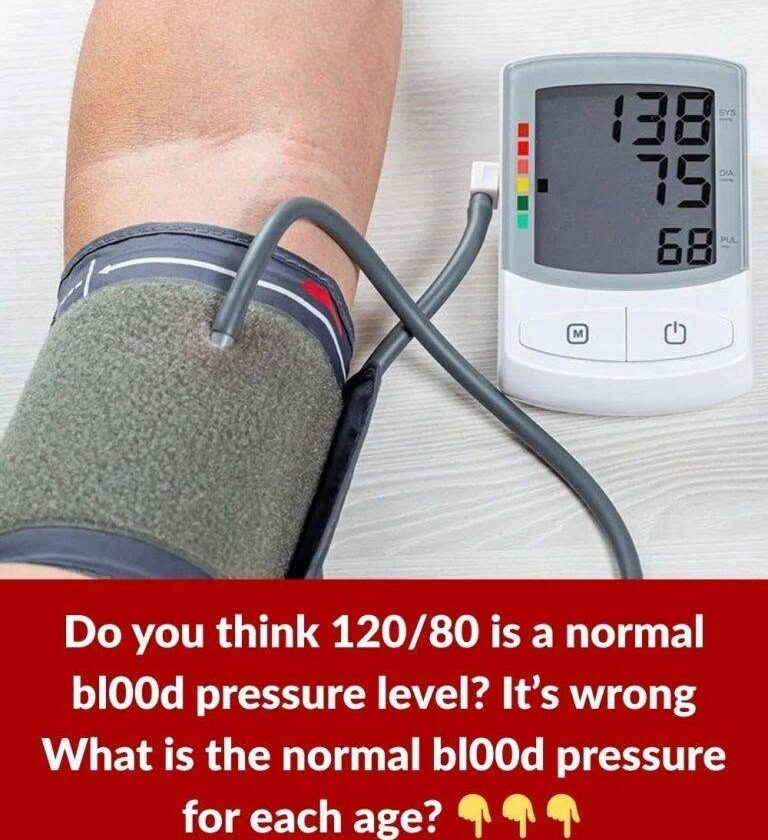
What Is the Normal Blood Pressure for Each Age?Blood pressure does not have a separate “normal” number for every age. While blood pressure often rises as people get older, current medical guidelines generally focus on keeping blood pressure in a healthy range and considering a person’s overall health.
Blood pressure is measured as:
- Systolic (top number): pressure when the heart pumps
- Diastolic (bottom number): pressure when the heart relaxes
Hypertension is diagnosed when readings are consistently too high.
General Blood Pressure Ranges by Age
| Age group | Typical healthy range (approx.) |
|---|---|
| Children | Varies by age, height, and sex (often around 90–110 / 50–70 mmHg) |
| Teenagers | Often around 100–120 / 60–80 mmHg |
| Adults (18–59) | Around less than 120/80 mmHg is considered normal |
| Older adults (60+) | Often still aim for below 120/80 mmHg if tolerated, but personal targets may differ |
Blood Pressure Categories (Adults)
- Normal: Less than 120/80 mmHg
- Elevated: 120–129 and less than 80
- High blood pressure (Stage 1): 130–139 or 80–89
- High blood pressure (Stage 2): 140 or higher or 90 or higher
- Very high: 180/120 or higher (especially with symptoms, this requires urgent medical attention)
Why Blood Pressure May Change With Age
As people age, arteries can become less flexible, which may raise systolic pressure. However, a higher reading should not automatically be considered “normal aging,” because high blood pressure increases the risk of heart disease, stroke, and kidney problems.
When to Seek Medical Advice
Talk to a healthcare professional if:
- Your readings are repeatedly above the recommended range.
- Your blood pressure suddenly becomes very high.
- You have symptoms such as chest pain, severe headache, shortness of breath, weakness, confusion, or vision changes.
Key takeaway: There is no single “normal BP for each age.” For most adults, a reading near 120/80 mmHg or lower is considered healthy, but the best target depends on individual health, medications, and risk factors.