8 Warning Signs of Stroke to Know (and 9 Ways to Help Prevent It)
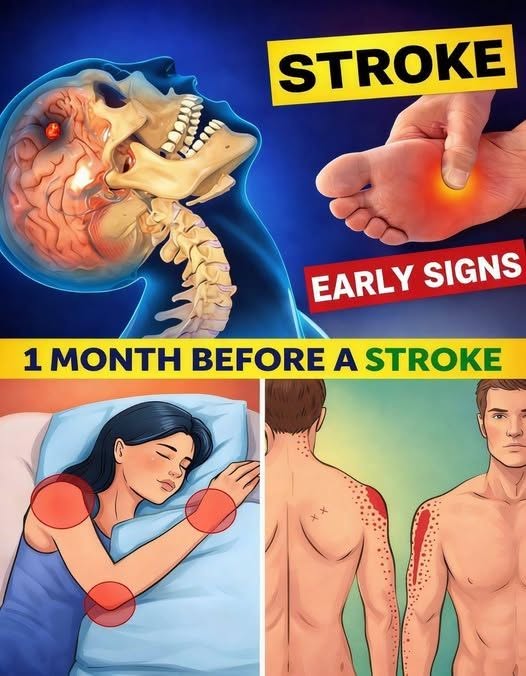
A stroke often happens suddenly, but some people may experience warning signs before a stroke occurs. These symptoms can be caused by many conditions, and there is no reliable way to predict a stroke one month in advance, but recognizing possible warning signs—especially transient ischemic attacks (TIAs, or “mini-strokes”)—can help people get urgent care.
Possible warning signs that should not be ignored
- Sudden weakness or numbness
- Especially on one side of the face, arm, or leg.
- Trouble speaking or understanding speech
- Slurred speech, confusion, or difficulty finding words.
- Sudden vision changes
- Blurred vision, loss of vision, or double vision.
- Dizziness or loss of balance
- Trouble walking, coordination problems, or sudden unsteadiness.
- A sudden, severe headache
- Especially if it is unusual or comes with other symptoms.
- Face drooping
- One side of the face may feel weak or look uneven.
- Sudden confusion
- Difficulty understanding what is happening or where you are.
- A brief episode of stroke-like symptoms
- Symptoms that disappear after minutes or hours may be a TIA and still require urgent medical evaluation.
Remember FAST:
- F — Face: Is one side drooping?
- A — Arms: Is one arm weak or numb?
- S — Speech: Is speech strange or unclear?
- T — Time: Call emergency services immediately if these signs appear.
9 tips to help reduce stroke risk
- Control blood pressure
- High blood pressure is one of the biggest stroke risk factors.
- Avoid smoking and tobacco
- Smoking damages blood vessels and increases clot risk.
- Exercise regularly
- Aim for consistent physical activity suited to your health level.
- Eat a heart-healthy diet
- Focus on vegetables, fruits, whole grains, lean proteins, and healthy fats.
- Manage cholesterol levels
- Follow medical advice for cholesterol control.
- Keep blood sugar under control
- Diabetes increases stroke risk.
- Maintain a healthy weight
- A balanced weight can reduce strain on the cardiovascular system.
- Limit excessive alcohol
- Heavy alcohol use can raise stroke risk.
- Take prescribed medicines correctly
- Especially medicines for blood pressure, cholesterol, diabetes, or heart conditions.
If you or someone nearby develops sudden stroke symptoms, seek emergency medical help immediately—fast treatment can greatly affect outcomes.