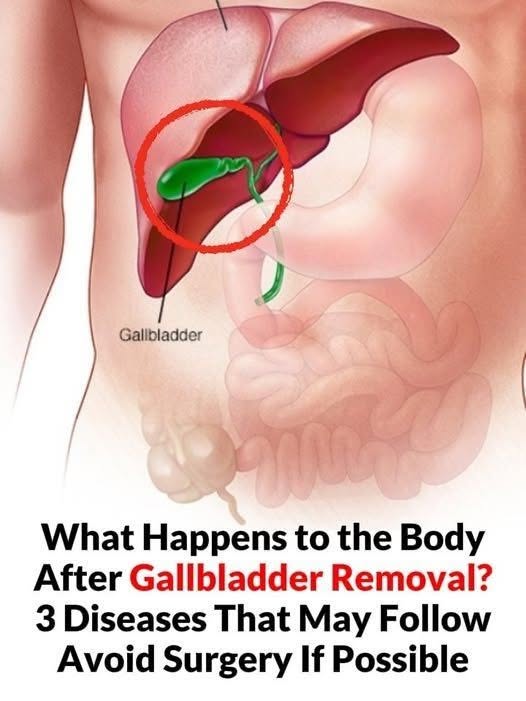
What Happens to the Body After Gallbladder Removal? Understanding the Facts
Gallbladder removal surgery (cholecystectomy) is a common procedure, usually recommended for problems such as repeated gallstones, gallbladder inflammation, or blocked bile ducts. The gallbladder stores bile made by the liver and releases it when needed to help digest fats. After removal, the liver still makes bile, but it flows directly into the small intestine.
Common changes after gallbladder removal
- Digestive changes
- Some people experience bloating, gas, loose stools, or urgency after eating—especially after fatty meals.
- Many people adjust over time and return to a normal diet.
- Changes in fat digestion
- Without a gallbladder, bile is released continuously in smaller amounts rather than stored and released in larger amounts during meals.
- Very high-fat meals may be harder for some people to tolerate.
- Possible weight changes
- Some people lose weight temporarily after surgery because they eat less during recovery.
- Others may gain weight later due to diet changes or reduced activity.
Conditions that may occur after gallbladder removal
Some people may develop:
- Post-cholecystectomy syndrome
- A group of symptoms such as abdominal discomfort, indigestion, bloating, or diarrhea that persist after surgery.
- It can have different causes and should be evaluated by a healthcare professional.
- Bile acid diarrhea
- Excess bile reaching the colon can irritate it and cause chronic loose stools in some people. Treatments are available.
- Digestive discomfort or food intolerance
- Certain foods, especially greasy or very fatty foods, may trigger symptoms in some individuals.
Should surgery be avoided if possible?
Gallbladder removal is not automatically necessary for everyone with gallstones. Doctors consider factors such as symptoms, complications, infection risk, and overall health. However, delaying recommended surgery for problems like repeated gallbladder attacks or severe inflammation can sometimes lead to serious complications.
If surgery is advised, discuss:
- Why it is recommended
- Whether alternatives are appropriate
- Expected recovery and diet changes
- Your individual risks
A balanced diet, maintaining a healthy weight, and following medical advice can support digestive health before and after gallbladder surgery.