How Does Atorvastatin Work?
Atorvastatin blocks an enzyme involved in making cholesterol in the liver. This can lead to:
- ⬇️ Lower levels of LDL cholesterol (“bad” cholesterol)
- ⬇️ Lower levels of triglycerides
- ⬆️ A modest increase in HDL cholesterol (“good” cholesterol) in some people
- 🫀 Reduced buildup of cholesterol-containing plaque in arteries
Why Is Atorvastatin Prescribed?
1. High Cholesterol
It is commonly prescribed for people with elevated LDL cholesterol or other lipid problems when diet and exercise alone are not enough.
2. Lowering Heart Attack and Stroke Risk
Doctors may recommend atorvastatin for people who have a higher risk of cardiovascular disease, including those with:
- Previous heart attack or stroke
- Coronary artery disease
- Diabetes with increased cardiovascular risk
- Certain risk factors such as high cholesterol, high blood pressure, or smoking history
3. Preventing Future Cardiovascular Problems
Even people without known heart disease may take atorvastatin if their overall risk suggests they could benefit from lowering cholesterol.
Common Side Effects
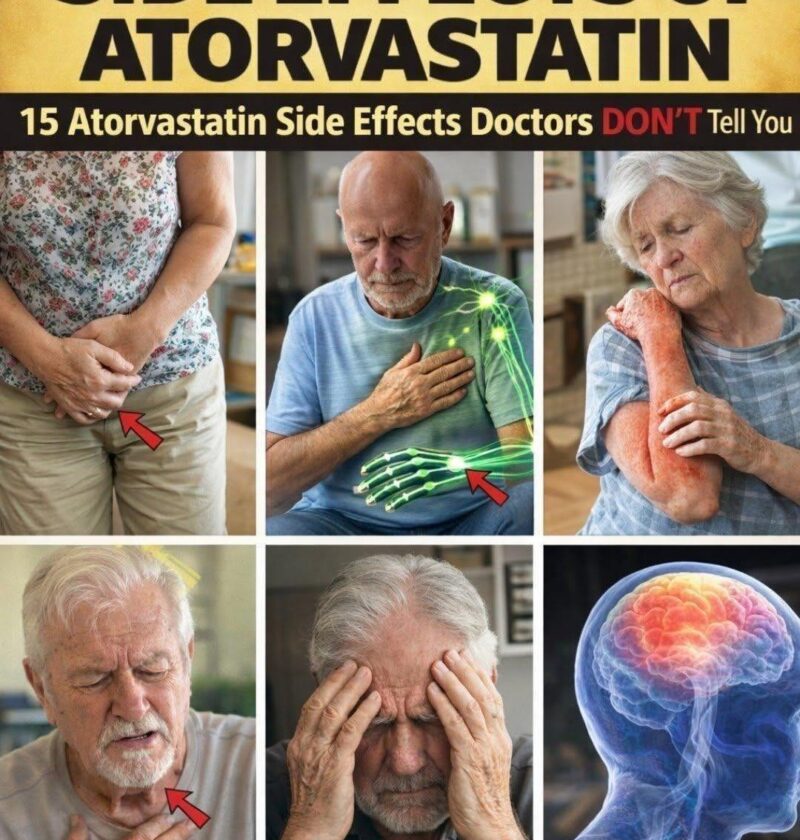
Many people take atorvastatin without major problems, but possible side effects include:
- Muscle aches or soreness
- Headache
- Digestive issues (such as nausea or diarrhea)
- Mild increases in liver enzymes on blood tests
Less Common but Important Side Effects
Contact a healthcare professional if you notice:
- Unexplained severe muscle pain, weakness, or tenderness
- Dark-colored urine
- Yellowing of the skin or eyes
- Severe fatigue or unusual weakness
Tips for Taking Atorvastatin
- Take it exactly as prescribed.
- It can usually be taken with or without food.
- Keep follow-up appointments for cholesterol checks and any recommended blood tests.
- Tell your healthcare provider about all medications and supplements you take, since some can interact with atorvastatin.
Important: Do not stop atorvastatin on your own without discussing it with your healthcare professional. Stopping treatment may increase cholesterol levels and cardiovascular risk for some people.
Atorvastatin is widely used because it has strong evidence for lowering LDL cholesterol and helping reduce the risk of serious heart and blood vessel complications when appropriate for the individual patient.