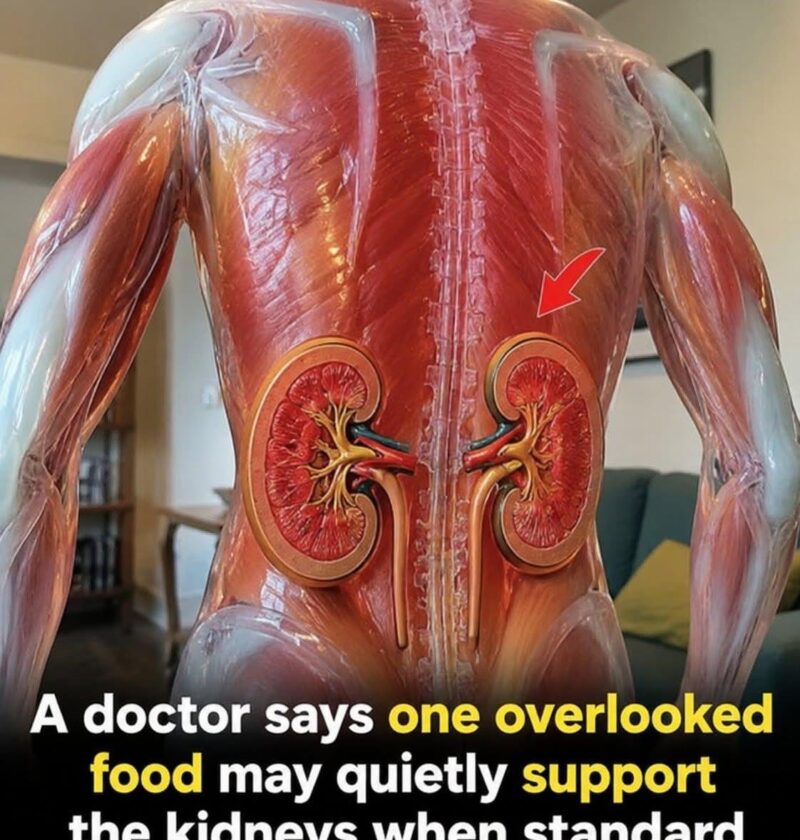
One often overlooked option: beans.
Beans are rich in plant-based protein, fiber, and important nutrients that can support heart health, blood sugar control, and a healthy diet pattern—factors that are closely connected to kidney health.
Why Beans May Be Beneficial
1. High in Fiber
Fiber helps support healthy cholesterol levels and blood sugar regulation. Since conditions like diabetes and heart disease are major risk factors for kidney problems, a high-fiber diet can be an important part of protecting overall health.
2. Plant-Based Protein Source
Beans provide protein with less saturated fat than many animal protein sources. For some people with kidney disease, adjusting protein intake and choosing appropriate sources may be part of a kidney-friendly eating plan.
3. Rich in Protective Nutrients
Beans contain nutrients such as:
- Magnesium
- Folate
- Potassium (which may need to be limited for some people with kidney disease)
- Antioxidant compounds
Important: Kidney Diets Are Individual
While beans can be a healthy choice for many people, they are not ideal for everyone with kidney disease. People with reduced kidney function may need to monitor nutrients like potassium and phosphorus, and dietary needs depend on kidney stage, lab results, and medical advice.
Other Kidney-Friendly Eating Habits
✅ Limit excess sodium
✅ Drink an appropriate amount of fluids based on medical guidance
✅ Maintain healthy blood pressure and blood sugar levels
✅ Choose mostly minimally processed foods
✅ Follow any diet recommendations from your healthcare team
Bottom line: Beans can be a nutritious addition to many diets and may support the health habits that protect kidneys—but if you have kidney disease, ask a healthcare professional or renal dietitian whether they fit your specific plan.