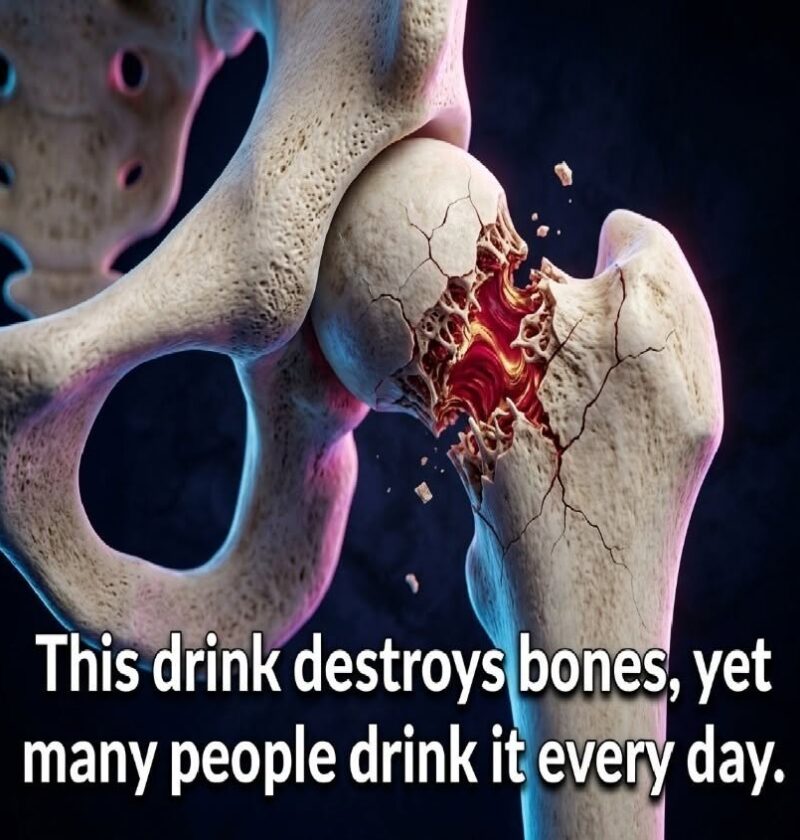
Claims that specific drinks are the “most harmful” to bones are often oversimplified. Bone health depends on many factors, including calcium intake, vitamin D status, physical activity, age, hormones, smoking, and overall diet.
That said, health experts commonly point to these beverages as ones to consume in moderation:
1. Sugary Soft Drinks
- Regular sodas can displace healthier beverages such as milk.
- High sugar intake is associated with poorer overall diet quality.
- Some studies have linked frequent cola consumption with lower bone mineral density, though the reasons are not fully understood.
2. Excessive Alcohol
- Heavy alcohol use can interfere with bone formation and increase fracture risk.
- Moderate or occasional consumption generally has a much smaller effect.
3. Highly Caffeinated Drinks
- Large amounts of caffeine may slightly increase calcium loss in urine.
- For most people, moderate caffeine intake is not a major threat to bone health if calcium intake is adequate.
4. Energy Drinks
- Often contain high levels of caffeine and sugar.
- They may contribute indirectly to poorer dietary habits when consumed frequently.
5. Sweetened Coffee or Specialty Drinks
- Some coffee beverages contain large amounts of sugar and calories.
- The concern is usually the added sugar rather than the coffee itself.
What Helps Protect Bones?
- Adequate calcium from foods such as dairy products, fortified foods, and certain leafy greens.
- Sufficient vitamin D through sunlight exposure, diet, or supplements when appropriate.
- Regular weight-bearing exercise, such as walking, jogging, dancing, or resistance training.
- Avoiding smoking.
- Maintaining a balanced diet with enough protein.
Conditions such as Osteoporosis become more likely with age, especially when bone health is neglected over many years. No single drink usually causes osteoporosis by itself, but long-term dietary patterns can influence risk.