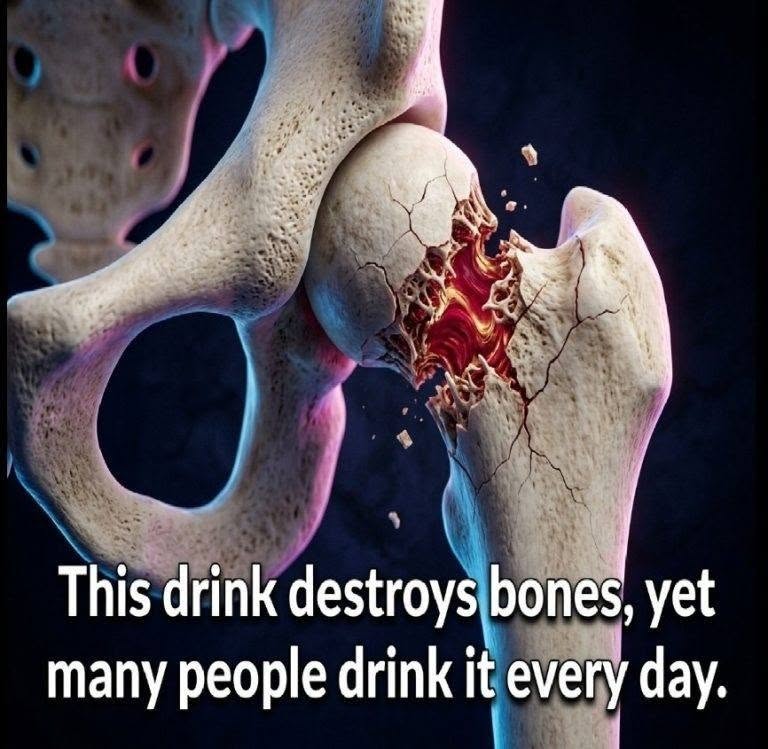
The claim that certain drinks are “the most harmful to your bones” is often simplified in headlines. Bone health depends on many factors (calcium and vitamin D intake, exercise, hormones, age, smoking, alcohol use, and overall diet). However, experts commonly advise limiting these drinks because they may negatively affect bone health when consumed frequently or in large amounts:
- Heavy alcohol consumption
- Excess alcohol can interfere with calcium balance, vitamin D metabolism, and bone-building cells.
- Chronic heavy drinking is linked with a higher risk of osteoporosis and fractures.
- Sugary soft drinks (especially cola)
- High sugar intake can displace more nutritious drinks like milk.
- Some research has found associations between frequent cola intake and lower bone density, though the exact reason is debated.
- Excessive caffeinated drinks
- Large amounts of caffeine may slightly increase calcium loss through urine, especially if calcium intake is low.
- Moderate caffeine intake is generally not considered harmful for most people.
- Energy drinks
- These often combine high caffeine with high sugar and may contribute to habits that replace calcium-rich beverages.
- Very high caffeine intake can be a concern for some people.
- Sweetened fruit drinks and sugary beverages
- They provide calories and sugar without much bone-supporting nutrition.
- Frequent consumption may contribute to poorer overall dietary patterns.
Better choices for supporting bones include:
- Milk or fortified plant-based milks (with calcium and vitamin D)
- Water
- Unsweetened beverages
- Drinks that fit a balanced diet with adequate protein, calcium, and vitamin D
For older adults, bone health is especially supported by strength training, balance exercises, sufficient protein, and regular intake of calcium and vitamin D.