What Is Considered Normal?
For most adults:
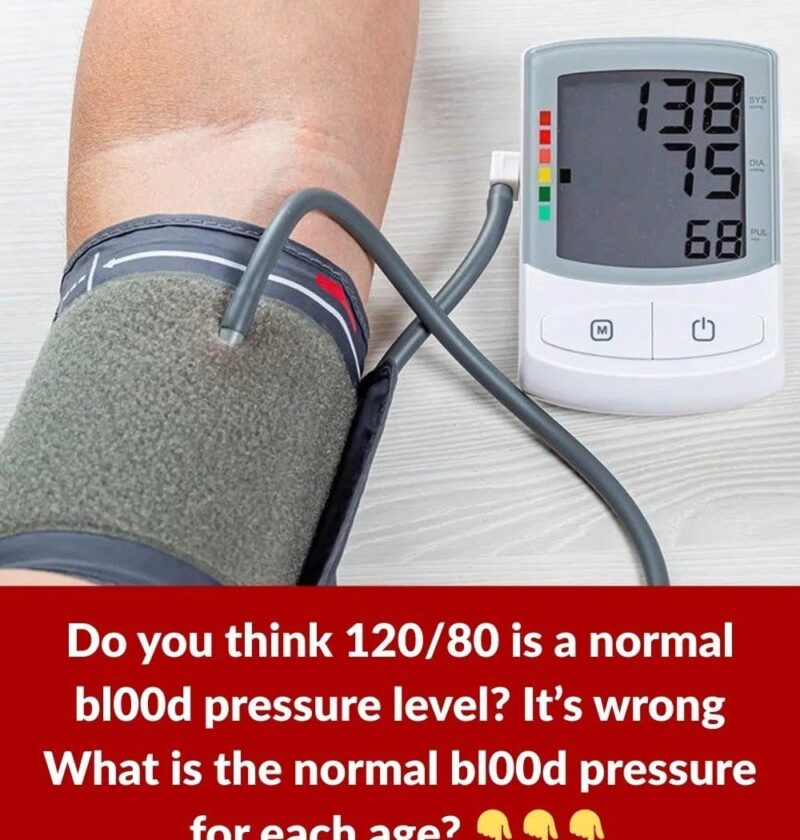
- Normal: less than 120/80 mmHg
- Elevated: systolic 120–129 and diastolic less than 80
- High blood pressure (hypertension): 130/80 mmHg or higher
- Hypertensive crisis: 180/120 mmHg or higher (requires immediate medical attention)
Hypertension
Blood Pressure and Age
As people get older, arteries often become stiffer, which can cause systolic blood pressure (the top number) to rise. However, this does not mean higher blood pressure is automatically “normal” or healthy with age.
Approximate average ranges seen in healthy adults:
| Age Group | Typical Average Range* |
|---|---|
| 18–39 years | Around 110–120 / 70–80 |
| 40–59 years | Around 115–125 / 75–85 |
| 60+ years | Around 120–130 / 70–85 |
*These are population averages, not ideal targets.
For Children
Blood pressure norms in children depend on:
- Age
- Sex
- Height
Pediatric blood pressure is interpreted using percentile charts rather than a single cutoff.
When to Be Concerned
You should discuss your readings with a healthcare professional if:
- Your blood pressure is consistently 130/80 mmHg or higher
- You have symptoms such as dizziness, chest pain, shortness of breath, or severe headaches
- You have conditions such as diabetes, kidney disease, or cardiovascular disease
Key Takeaway
The healthiest blood pressure for most adults is still below 120/80 mmHg, regardless of age. While average blood pressure often rises as people get older, higher readings are not necessarily desirable and may increase the risk of heart disease, stroke, and kidney problems.
If you’d like, I can also provide a detailed blood pressure chart for adults, children, and seniors, along with tips for measuring blood pressure correctly at home.