The statement “New method: colonoscopy will no longer be an invasive examination” refers to claims that newer technologies may reduce the need for traditional colonoscopy in some situations.
A traditional colonoscopy involves inserting a flexible camera into the colon to look for:
- Colon polyps (growths that can sometimes become cancerous)
- Colorectal cancer
- Sources of bleeding or inflammation
It is considered invasive because it requires bowel preparation and the insertion of a scope, often with sedation.
Newer or less invasive approaches include:
- Stool-based screening tests
- Tests such as fecal immunochemical tests (FIT) look for hidden blood in stool.
- Some stool DNA tests can detect changes associated with colorectal cancer.
- These are easier to perform but, if results are abnormal, a colonoscopy is usually still needed.
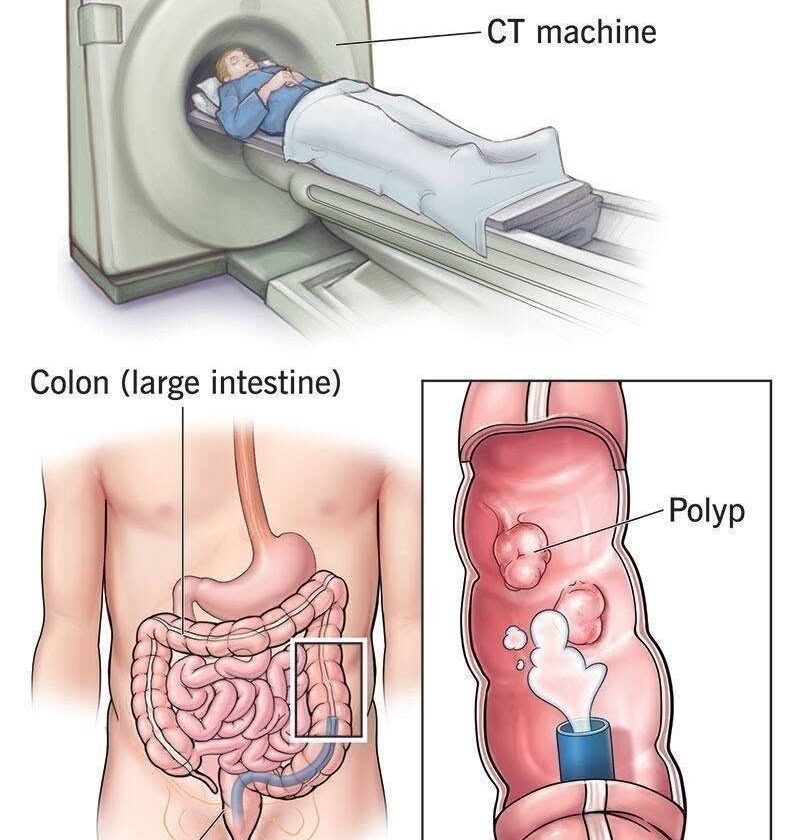
- CT colonography (“virtual colonoscopy”)
- Uses CT imaging to create pictures of the colon without inserting a camera through the entire colon.
- It still requires bowel preparation and may require follow-up colonoscopy if something suspicious is found.
- Emerging technologies
- Researchers are studying capsule cameras and advanced imaging methods, but these are not a complete replacement for colonoscopy in all cases.
So the claim that colonoscopy “will no longer be invasive” is an oversimplification. Some alternatives can make screening easier for certain people, but colonoscopy remains an important tool because it can both detect and remove polyps during the same procedure.
If you have the second part of the post (“(2/2)”), share it and I can explain the full claim.