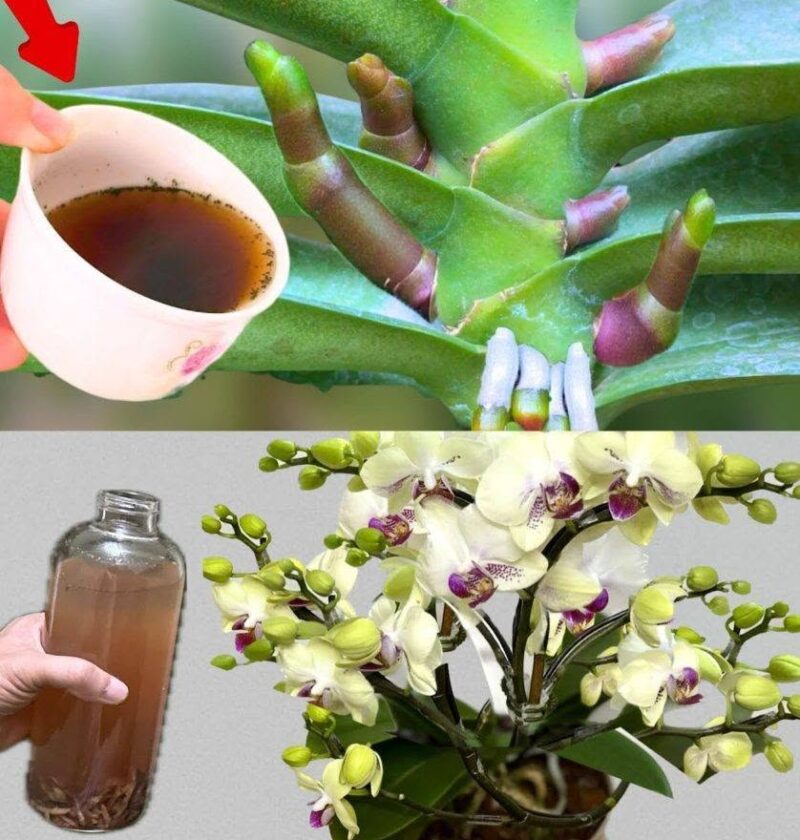
How to Make a Very Leafy Orchid Even More Beautiful With Proper Watering
Orchids are among the most admired flowering plants in the world because of their elegant flowers, unique shapes, and ability to bring a tropical feel into any home or garden. A healthy orchid with thick, green, leafy growth is a sign of good care, but with the right watering routine and nutrients, you can encourage even stronger leaves, healthier roots, and more impressive blooms.
Many orchid growers focus only on flowers, but beautiful flowers begin with a strong foundation. The leaves are the plant’s energy source, helping it produce the food it needs through photosynthesis. When orchid leaves are bright green, firm, and glossy, the plant has a better chance of producing stunning flowers.
The Importance of Correct Watering
Watering is one of the most important parts of orchid care. Orchids are different from many common houseplants because they do not like to sit in constantly wet soil. Their roots need both moisture and air. Too much water can cause root damage, while too little water can make leaves weak and wrinkled.
A beautiful, leafy orchid needs a balanced watering schedule. The growing medium should be allowed to become slightly dry before watering again. Many orchids prefer deep watering followed by proper drainage, allowing the roots to absorb moisture without staying soaked.
A Natural Boost for Healthier Orchid Growth
Gardeners often use gentle, natural plant boosters to support orchid growth. A suitable nutrient-rich solution can help provide minerals that encourage stronger leaves, better root development, and overall plant health. When used correctly, these supplements can help an orchid look fuller, greener, and more vibrant.
However, it is important to remember that no single solution can magically transform an unhealthy orchid overnight. Beautiful orchids come from a combination of proper watering, suitable light, good air circulation, the right temperature, and balanced nutrition.
How to Water Your Orchid Properly
- Check the roots and growing medium
Before watering, observe the orchid’s roots. Healthy roots are usually firm and may appear green when wet or silvery when dry. If the growing medium is still damp, wait a little longer before adding more water.
- Use room-temperature water
Cold water can shock orchid roots. Room-temperature water is usually a better choice because it allows the plant to absorb moisture comfortably.
- Water thoroughly
Instead of adding a small amount of water every day, water deeply and allow excess water to drain away. This helps hydrate the roots evenly.
- Avoid water collecting in the leaves
Water trapped in the center of orchid leaves can create conditions that encourage problems. If water collects there, gently remove it.
Light and Environment Matter Too
Even the best watering method will not produce a beautiful orchid without proper lighting. Orchids usually prefer bright, indirect light. Too much direct sunlight can burn the leaves, while too little light can prevent flowering.
A location near a bright window with filtered sunlight is often ideal. Good airflow around the plant also helps keep leaves and roots healthier.
Signs of a Healthy Orchid
A well-cared-for orchid often shows these signs:
- Thick, firm green leaves
- Strong root growth
- New leaf development
- Long-lasting flowers
- Healthy stems and buds
If your orchid has soft, yellowing, or damaged leaves, it may be receiving too much water, too little light, or incorrect care.