.
🌿 7 Simple & Natural Ways to Support Healthy Lymph Flow and Reduce Swelling
💧 1. Stay Well Hydrated to Support Lymph Circulation
One of the simplest and most effective ways to support your lymphatic system is by drinking enough water throughout the day. The lymph fluid is mostly water, and dehydration can slow down its movement.
When hydration is low, your body finds it harder to circulate lymph fluid efficiently, which may contribute to a feeling of heaviness or mild swelling.
Aim for consistent water intake throughout the day rather than drinking large amounts at once. Herbal teas and water-rich foods like cucumber, oranges, and watermelon can also contribute to hydration.
🚶 2. Keep Your Body Moving with Light Exercise
Unlike the cardiovascular system, the lymphatic system does not have a central pump like the heart. It depends on muscle movement and physical activity to circulate fluid.
Gentle exercises such as walking, yoga, stretching, cycling, or swimming can significantly improve lymph flow.
Even 20–30 minutes of daily movement helps stimulate lymph drainage and reduces fluid buildup in tissues.
This is one of the most recommended natural methods for supporting a healthy lymphatic system function.
🧘 3. Try Deep Breathing Exercises for Internal Drainage Support
Deep breathing is often overlooked, but it plays a powerful role in lymph movement, especially in the chest area where many lymphatic vessels are concentrated.
When you take slow, deep breaths, your diaphragm acts like a pump that helps move lymph fluid through the body.
Practice simple breathing techniques:
- Inhale deeply through the nose for 4–5 seconds
- Hold briefly
- Exhale slowly through the mouth
Repeating this for a few minutes daily can improve circulation and reduce stress-related inflammation.
👐 4. Gentle Lymphatic Massage (Manual Drainage Technique)
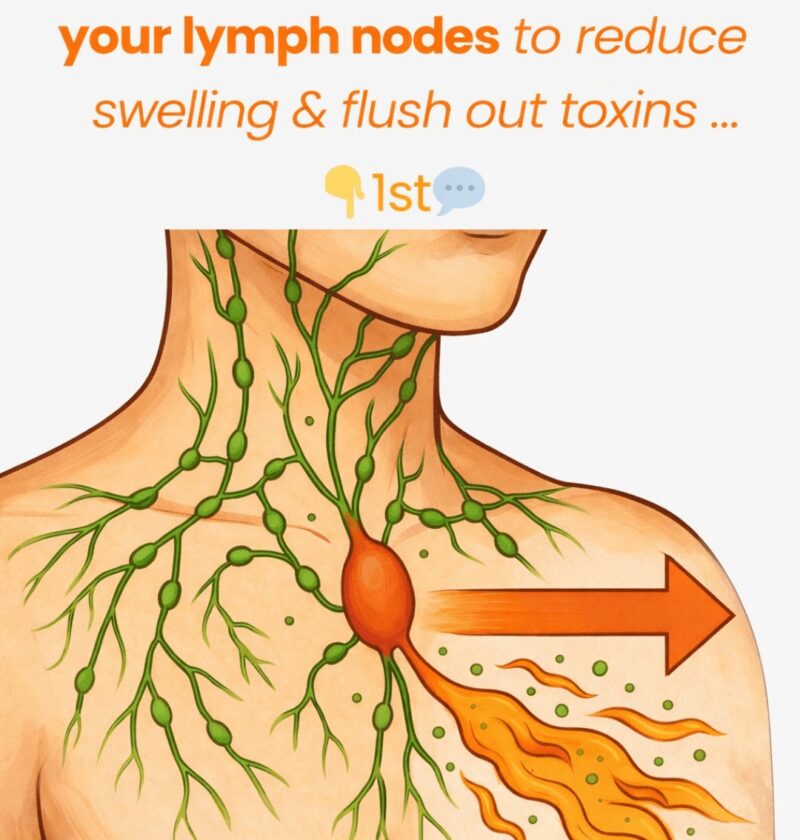
Light massage can help encourage lymph flow toward drainage points in the body, especially in areas like the neck, underarms, and groin where many lymph nodes are located.
This technique is often called manual lymphatic drainage (MLD) and is used in medical and therapeutic settings, especially for conditions like Lymphedema.
Important points:
- Use very light pressure (the lymph system is superficial)
- Move in slow, rhythmic motions
- Always massage toward the heart
Avoid deep or painful pressure, as this can irritate tissues instead of helping.
🥗 5. Eat Anti-Inflammatory Foods to Reduce Swelling
Your diet plays a major role in how your lymphatic system functions. Highly processed foods, excess salt, and sugar can contribute to inflammation and fluid retention.
Focus on foods that naturally support immune balance and circulation:
- Leafy greens like spinach and kale
- Citrus fruits rich in vitamin C
- Ginger and turmeric
- Garlic and onions
- Berries and antioxidant-rich fruits
These foods support the body’s natural repair systems rather than attempting any “detox” gimmicks.
🛌 6. Prioritize Quality Sleep for Immune Recovery
Your lymphatic system becomes especially active during sleep, helping clear waste products from brain tissue and supporting immune regulation.
Poor sleep can weaken immune function and slow down lymph circulation, which may contribute to prolonged swelling in some cases.
Aim for:
- 7–9 hours of sleep per night
- A consistent sleep schedule
- A dark, quiet sleeping environment
Good sleep is one of the most powerful natural recovery tools your body has.
🧍 7. Avoid Long Periods of Stillness or Sitting
Sitting or standing in one position for too long can slow down lymph circulation, especially in the lower body.
If you have a desk job or sedentary routine:
- Stand up every 30–60 minutes
- Stretch your legs and arms
- Take short walking breaks
Even small movements throughout the day help prevent fluid buildup and support overall lymphatic flow.
⚠️ When Swollen Lymph Nodes Need Medical Attention
While mild swelling can happen during infections like colds or throat infections, you should consult a healthcare professional if you notice:
- Swelling lasting more than 2–3 weeks
- Hard, fixed, or growing lymph nodes
- Unexplained fever or weight loss
- Night sweats or persistent fatigue
- Severe pain or redness
These signs may indicate an underlying condition that requires proper diagnosis.