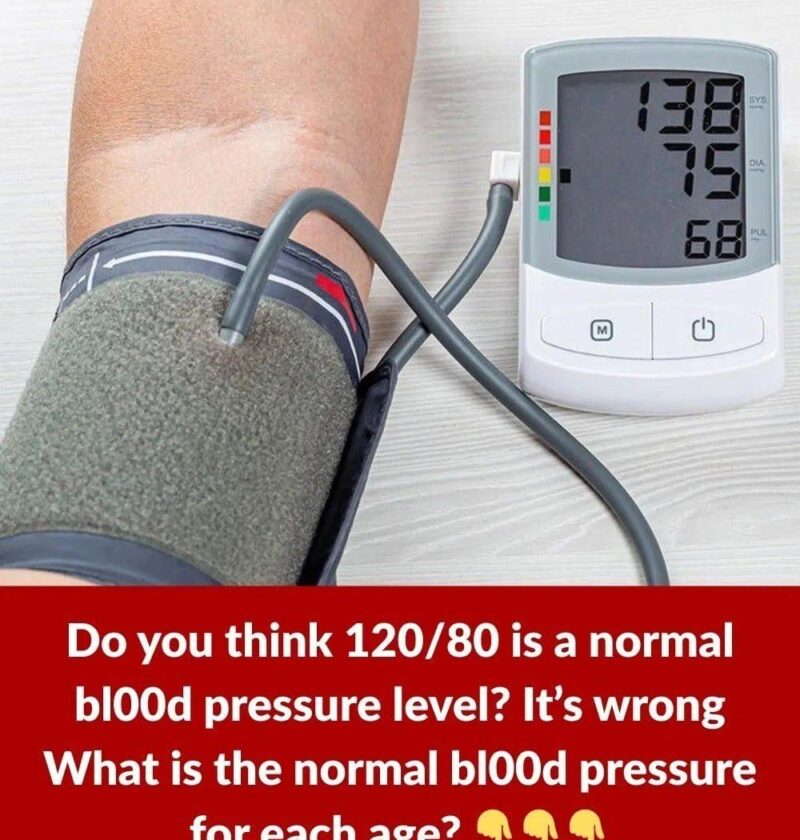
The headline “What Is The Normal Blood Pressure For Each Age” is a common health post, but there is not a separate “normal” blood pressure number for every age. Blood pressure goals depend on your overall health, medical conditions, and your healthcare provider’s advice.
A general adult guide:
| Blood pressure category | Reading |
|---|---|
| Normal | Less than 120/80 mmHg |
| Elevated | 120–129 systolic and less than 80 diastolic |
| High blood pressure (Stage 1) | 130–139 systolic or 80–89 diastolic |
| High blood pressure (Stage 2) | 140+ systolic or 90+ diastolic |
Approximate considerations by age
- Adults 18–64: Many guidelines aim for blood pressure below 130/80 mmHg for many people, depending on risk factors.
- Adults 65 and older: Targets may be individualized. Some older adults need less aggressive targets if they have dizziness, frailty, or a high risk of falls.
What matters most
A healthy blood pressure is influenced by:
- Heart and kidney health
- Diabetes status
- Medications
- Lifestyle factors
- Personal cardiovascular risk
Tips for accurate measurement
- Sit quietly for about 5 minutes before checking.
- Keep feet flat on the floor and your arm supported.
- Avoid caffeine, smoking, and exercise shortly before measuring.
- Take multiple readings on different days rather than relying on one number.
If you tell me the person’s age and blood pressure reading (for example, 145/85), I can help explain what that reading generally means.