A Quick, Low-Effort Method to Refresh Window Blinds
(Original, Copyright-Free, SEO-Optimized Home Cleaning Content)
Have Your Window Blinds Collected More Dust Than You Expected?
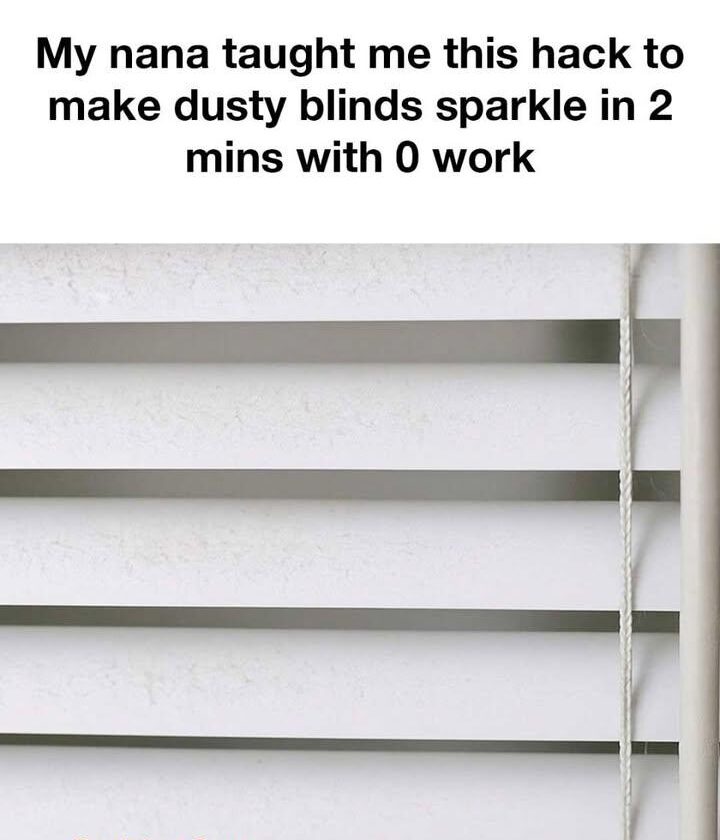
Window blinds are one of the most overlooked surfaces in home cleaning. While floors, counters, and furniture often get regular attention, blinds quietly collect layers of dust over time. Because of their narrow slats and repeated exposure to airflow, they can start to look dull, gray, or neglected even in a clean room.
Many people avoid cleaning blinds because it feels time-consuming and repetitive. Each slat seems to require individual attention, which can make the task feel overwhelming.
That’s why simple, fast cleaning methods passed down through generations—like the kind often shared by grandparents—remain popular. They focus on efficiency, minimal effort, and everyday household items rather than complicated tools or expensive products.
Why Blinds Get Dusty So Quickly
Dust buildup on blinds is completely normal and happens for several reasons:
Air Circulation
Air passing through windows carries fine dust particles that settle on horizontal surfaces.
Static Electricity
Some blind materials attract dust more easily due to static charge.
Indoor Activity
Cooking, cleaning, pets, and movement inside the home all contribute to airborne particles.
Open Windows
Fresh air brings in pollen and dust from outside environments.
Over time, these particles accumulate and create a dull appearance.
The “Two-Minute Refresh” Method People Swear By
Simple cleaning hacks often focus on reducing effort while maximizing coverage. One commonly shared approach involves using everyday items to clean multiple slats at once rather than wiping each one individually.
While there are different variations, the core idea is:
- Capture dust quickly
- Avoid spreading particles into the air
- Reduce the need for repeated wiping
This makes the process much faster compared to traditional cleaning methods.
Step-by-Step Easy Blind Cleaning Method
What You Need
- A microfiber cloth or clean cotton socks
- A small bowl of mild soapy water (optional)
- Tongs or kitchen tongs (optional DIY hack tool)
- A dry cloth for finishing
Quick Cleaning Method (Fast Routine)
1. Close the Blinds Completely
Adjust the slats so they face downward or upward in a flat position.
2. Light Dry Dusting
Use a dry microfiber cloth or sock to gently wipe across multiple slats at once.
3. Flip and Repeat
Change the direction of the slats and repeat on the other side.
4. Spot Clean (If Needed)
For sticky or stubborn dust, lightly dampen the cloth with mild soapy water and wipe gently.
5. Final Dry Wipe
Go over the blinds once more with a dry cloth to remove any remaining moisture or dust.
Why Microfiber Works So Well
Microfiber cloths are commonly used in modern cleaning because they:
- Trap dust instead of spreading it
- Require little or no cleaning chemicals
- Work well on delicate surfaces
- Reduce streaking and residue
This makes them ideal for quick blind cleaning.
Old-School Household Cleaning Wisdom
Many traditional cleaning methods focus on:
- Using minimal tools
- Relying on simple techniques
- Cleaning regularly in small steps
- Avoiding harsh chemicals when unnecessary
These methods remain popular because they are practical, affordable, and easy to repeat.
Common Mistakes to Avoid When Cleaning Blinds
Using Too Much Water
Excess moisture can leave streaks or damage certain materials.
Ignoring Both Sides
Dust collects on both front and back surfaces.
Using Rough Cloths
Harsh materials can scratch delicate blinds.
Waiting Too Long Between Cleanings
Heavy buildup becomes harder to remove over time.
How Often Should You Clean Blinds?
Frequency depends on environment:
- Homes with pets: every 1–2 weeks
- High-dust areas: weekly light dusting
- Normal households: every 2–4 weeks
Regular light cleaning prevents heavy buildup.
The Real Secret Behind “Instant Sparkle” Results
Blinds look “brand new” after quick cleaning not because of special chemicals, but because:
- Dust reflects light and dulls appearance
- Removing surface dust restores brightness
- Clean slats improve natural light flow in the room
Even a simple wipe can dramatically change how a room looks.
The Bottom Line
Cleaning blinds doesn’t need to be a long or exhausting task. With the right simple technique and minimal tools, it’s possible to refresh them quickly and keep them looking bright and clean with very little effort.
See More
Sometimes the most effective home cleaning tricks aren’t complicated—they’re just simple habits passed down and refined over time for everyday convenience.
Part 2: Simple Homemade Dusting Spray
Light Everyday Blind Cleaning Solution
Ingredients
- 2 cups warm water
- 1 teaspoon mild dish soap
- 1 teaspoon white vinegar (optional)
Instructions
- Mix all ingredients in a spray bottle.
- Lightly spray onto a microfiber cloth (not directly on blinds).
- Wipe each slat gently.
- Finish with a dry cloth for a clean shine.
Preparation Time
2 minutes
Use For
Wooden, plastic, or aluminum blinds (test a small area first)