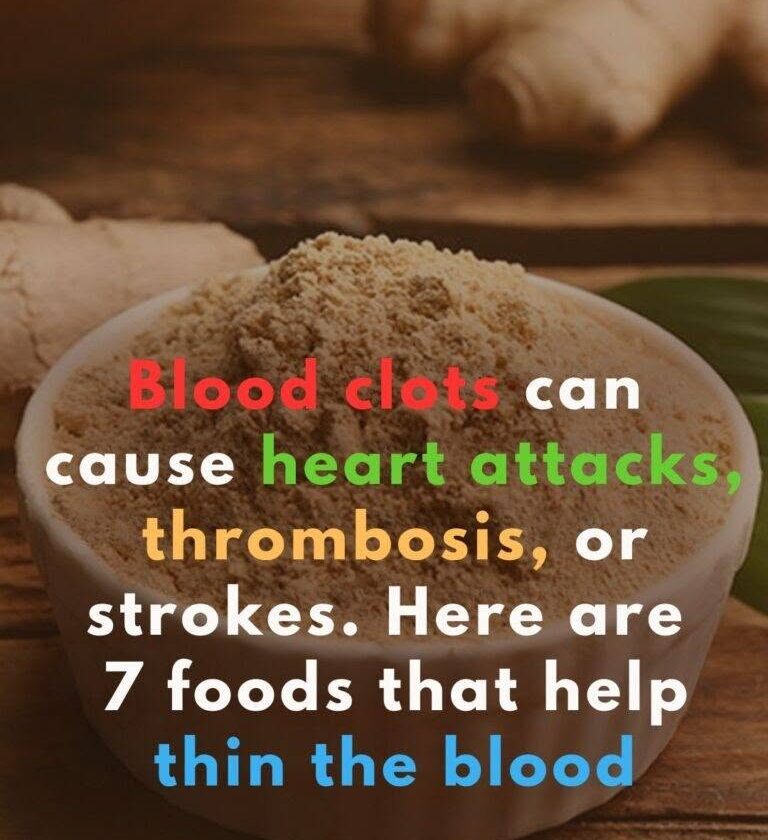
7 Foods Often Discussed for Their Blood-Thinning Effects
Certain foods contain compounds that may support healthy blood flow or have mild effects on platelet activity. However, they do not work like prescription blood thinners (such as warfarin or apixaban), and eating them does not replace medical treatment.
1. Garlic
- Contains sulfur compounds, including allicin, that may have mild antiplatelet effects.
- Best used as part of a balanced diet.
2. Ginger
- Contains compounds that may influence platelet activity and inflammation.
- Large amounts may matter more if you take blood-thinning medication.
3. Turmeric
- Curcumin, its active compound, has anti-inflammatory properties and may affect clotting pathways in laboratory studies.
4. Fatty fish (such as salmon and sardines)
- Rich in omega-3 fatty acids, which support cardiovascular health and may have mild effects on platelet function.
5. Berries (such as blueberries and strawberries)
- Rich in polyphenols and antioxidants that support blood vessel health.
6. Leafy green vegetables
- Foods like spinach and kale support heart health, but they are also high in vitamin K, which is important for people taking warfarin because sudden changes in intake can affect medication levels.
7. Nuts and seeds
- Foods like walnuts and flaxseed provide healthy fats that may support cardiovascular health.
Important: If you take blood thinners, have a bleeding disorder, are preparing for surgery, or have been told to manage vitamin K intake, talk with a healthcare professional before making major diet changes or taking concentrated supplements.
A heart-healthy eating pattern—rich in vegetables, fruits, whole grains, lean proteins, and healthy fats—is generally more important than focusing on individual “blood-thinning” foods.