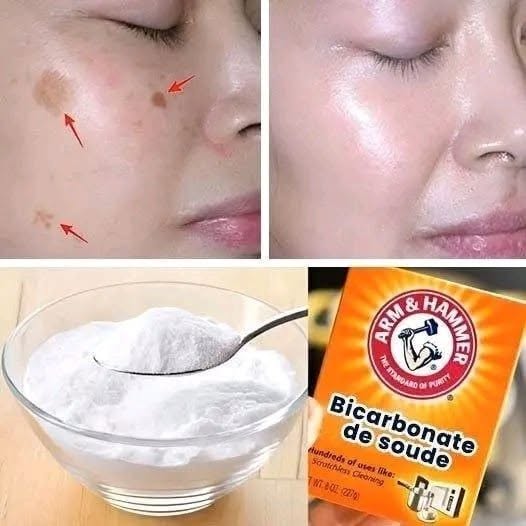
Baking Soda for Dark Spots, Wrinkles, and Dark Circles: What You Should Know
Baking soda is a popular DIY skincare ingredient, but there is not strong scientific evidence that it can remove dark spots, wrinkles, or dark circles. In fact, using it incorrectly may irritate the skin.
Why people use baking soda on the face
- It has a fine texture that can act as a physical exfoliant.
- It can temporarily absorb oil.
- Some people feel it leaves skin feeling smoother.
Possible risks
- Skin barrier disruption: Baking soda is alkaline, while healthy skin is naturally slightly acidic. Frequent use may cause dryness, irritation, or sensitivity.
- Worsened dark spots: Irritation can trigger more pigmentation in some people, especially those prone to dark marks.
- Eye-area irritation: The skin around the eyes is thin and sensitive, making baking soda a poor choice for dark circles.
Safer approaches for common concerns
For dark spots:
- Daily sunscreen (very important)
- Products with ingredients such as vitamin C, niacinamide, azelaic acid, or retinoids (depending on skin type)
For wrinkles:
- Sun protection
- Moisturizers that support the skin barrier
- Retinoids, which have evidence for improving fine lines
For dark circles:
- Better sleep and managing allergies (if relevant)
- Gentle skincare around the eyes
- Addressing pigmentation or hollowness with appropriate treatments
If you still try baking soda:
- Avoid using it as a daily scrub.
- Do a patch test first.
- Do not apply it near the eyes or on irritated skin.
- Stop if you experience burning, redness, or peeling.
For healthier-looking skin, a consistent routine with gentle cleansing, moisturizing, and sunscreen is usually more effective than harsh DIY remedies.