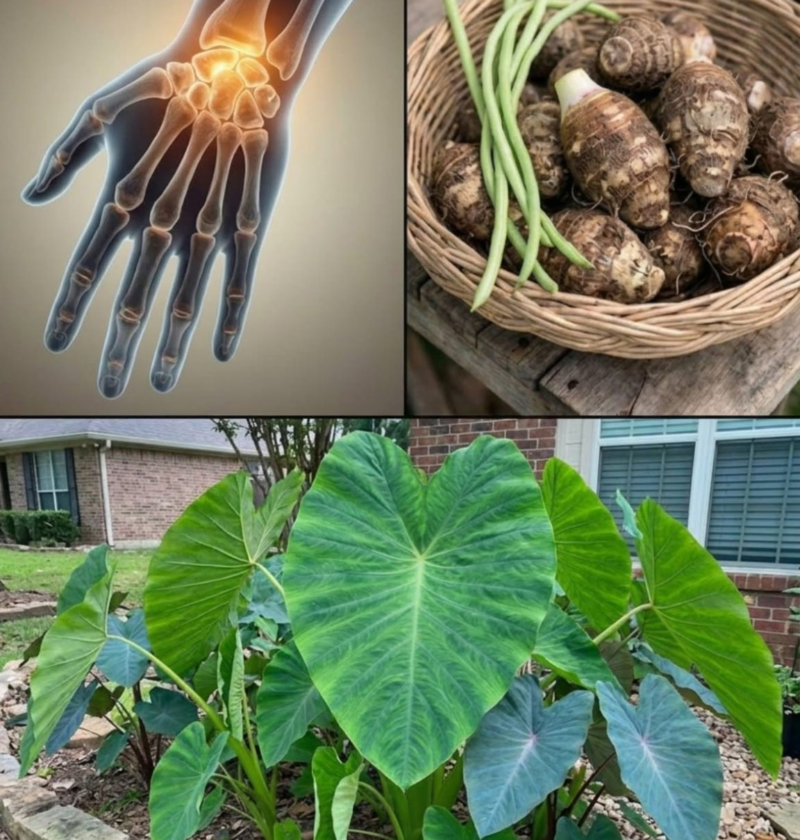
That’s another clickbait-style teaser. It doesn’t name the plant, and it pushes you to “check the comments,” which is usually just engagement farming.
A “starchy root” in folk-tradition posts could refer to many foods (like cassava, yam, sweet potato, taro, etc.), but without a specific name, the claim is not meaningful or verifiable.
🌱 What these posts usually do
They typically:
- Start with vague phrases like “this root…”
- Hint at “ancient secrets” or “folk medicine”
- Suggest hidden health powers
- Redirect you to a blog or comment section
This is a common pattern in viral health misinformation.
🥔 Reality about starchy root foods
Most starchy roots are simply:
- Energy-rich foods (carbohydrates)
- Part of traditional diets worldwide
- Nutritionally useful but not “mysterious medicines”
Examples include foods like sweet potato, yam, cassava, and taro.
They may provide:
- Fiber
- Vitamins (depending on type)
- Minerals
- Energy
But they do not have magical or hidden “folk cures” beyond normal nutrition.
⚠️ Why “folk remedy” claims are often exaggerated
- Traditional use ≠ scientific proof
- Stories get amplified online without evidence
- Benefits are often generalized into “cures everything” claims
🧠 Bottom line
This post is intentionally vague and designed to make you click. A starchy root is just a food category, not a hidden medical discovery.
If you want, I can identify the exact root if you share the full post or image, and tell you what’s actually true vs exaggerated.