7 Walking Mistakes That Can Affect Your Health After 50
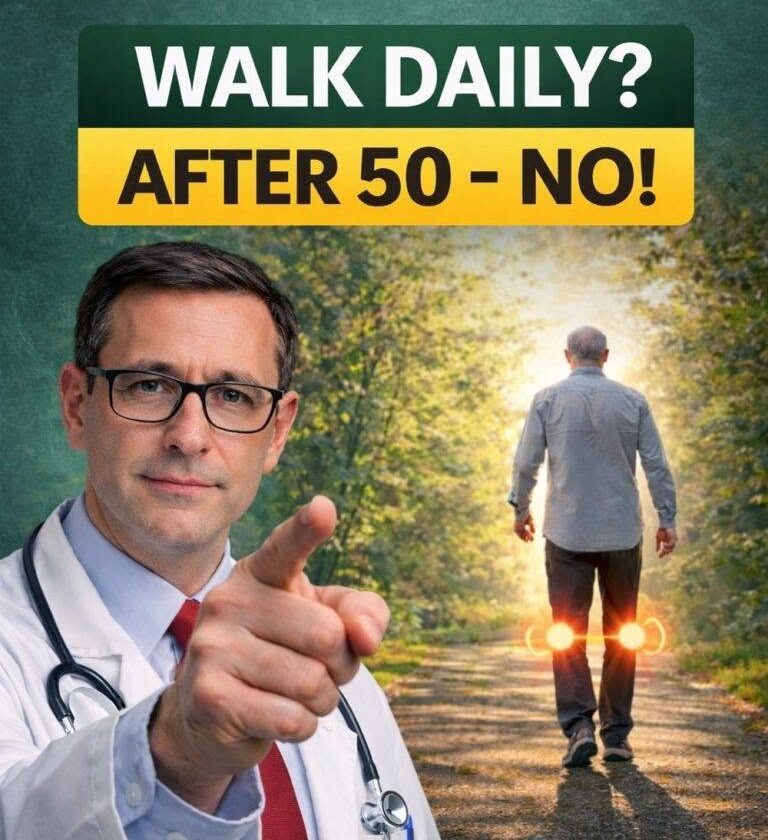
Walking is one of the simplest and most beneficial forms of exercise after age 50. It can support heart health, balance, muscle strength, mood, and independence. However, certain walking habits can reduce its benefits or increase the risk of pain and injury.
1. Walking with poor posture
A hunched posture can place extra strain on the:
- Neck
- Back
- Hips
- Knees
Try this instead:
- Keep your head up and look ahead.
- Relax your shoulders.
- Keep your back comfortably straight.
- Let your arms swing naturally.
2. Taking steps that are too long
Overstriding—reaching too far forward with each step—can increase stress on your knees and hips.
Better approach:
- Take comfortable, natural steps.
- Focus on a smooth rhythm rather than a longer stride.
3. Wearing unsuitable shoes
The wrong footwear can contribute to:
- Foot pain
- Blisters
- Knee discomfort
- Balance problems
Choose shoes that:
- Fit properly
- Provide support and cushioning
- Have good grip
Replace worn-out walking shoes when the soles no longer provide support.
4. Walking too much too soon
Increasing distance or speed too quickly can lead to overuse injuries.
Common problems include:
- Shin pain
- Tendon irritation
- Joint soreness
Increase your walking time and intensity gradually.
5. Skipping warm-up and cool-down
Even walking benefits from preparing your body.
Before walking:
- Move your joints gently.
- Start at an easy pace for a few minutes.
After walking:
- Slow down gradually.
- Stretch gently if it feels comfortable.
6. Ignoring balance and strength training
Walking improves fitness, but it does not fully replace exercises that maintain muscle strength and stability.
Consider adding:
- Leg strengthening exercises
- Balance exercises
- Gentle resistance training
These can help support safer movement and reduce fall risk.
7. Ignoring pain or warning signs
Mild muscle soreness can be normal, but certain symptoms should not be ignored.
Talk to a healthcare professional if you experience:
- Chest pain
- Severe shortness of breath
- Dizziness or fainting
- New joint swelling
- Persistent or worsening pain