The Best Homemade Weed Killer: What Works and What to Know
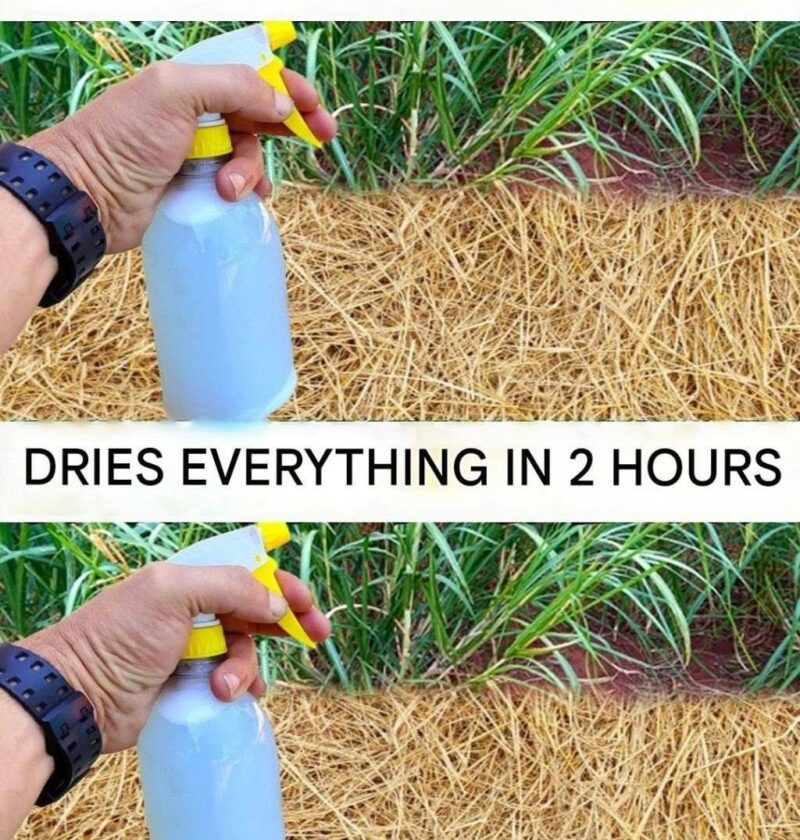
Many homemade weed-killer recipes use common household ingredients like vinegar, salt, and dish soap. These mixtures can dry out and damage the leaves of weeds, but claims that they will “kill everything in 2 hours” are often exaggerated. Results depend on the weed type, weather, and where it is applied.
A simple homemade weed spray
Vinegar-based weed spray
Ingredients:
- 1 gallon (about 3.8 L) white vinegar (higher-acidity horticultural vinegar works better than household vinegar)
- 1–2 teaspoons dish soap
How to use:
- Mix the ingredients in a spray bottle.
- Apply directly to the leaves of weeds on a dry, sunny day.
- Avoid spraying desirable plants.
How it works:
- Vinegar’s acetic acid can burn and dry plant leaves.
- Dish soap helps the liquid spread and stick to the leaf surface.
Important limitations
- Vinegar usually works best on young, small weeds.
- It may not kill deep roots, so some weeds can grow back.
- Perennial weeds with strong root systems often need repeated treatment.
Be careful with salt
Some recipes recommend adding salt, but this can cause problems:
- Salt can damage soil for a long time.
- It may prevent grass, flowers, and other plants from growing.
- It can harm nearby plants if it spreads through rain or watering.
For areas where you want nothing to grow (such as cracks in pavement), salt may be less concerning, but it should not be used broadly in gardens.
Other natural weed-control methods
✅ Pull weeds after rain when soil is softer
✅ Add mulch to block sunlight and reduce weed growth
✅ Use boiling water carefully on weeds growing in pavement cracks
✅ Keep garden beds covered to prevent new weeds
Bottom line: A vinegar-based spray can be a useful natural weed-control option for small weeds, but there is no safe homemade mixture that instantly kills every weed without also risking damage to nearby plants or soil.