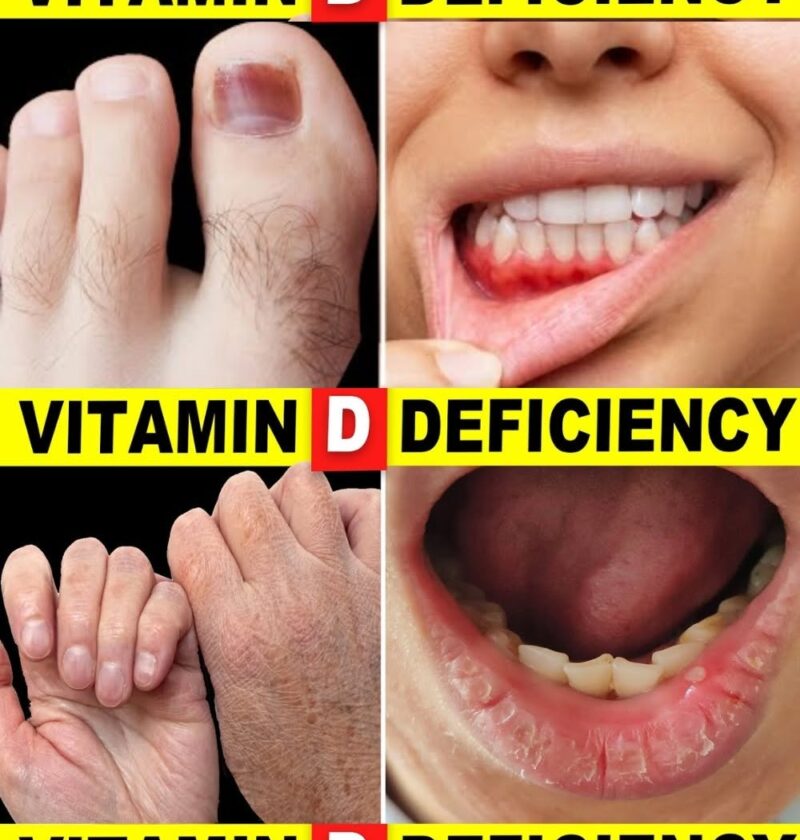
That headline is another viral oversimplification. Your body doesn’t “beg for vitamin D” in a clear 10-sign checklist. Deficiency can be subtle, and many symptoms overlap with other conditions.
Still, low Vitamin D can be associated with some real, medically recognized signs—just not in a diagnostic “social media list” way.
Possible signs of low vitamin D (when deficiency is significant)
These are the more evidence-based ones:
- Fatigue or low energy
Very common but non-specific. - Bone or lower back pain
Vitamin D affects calcium absorption and bone health. - Muscle weakness or aches
Especially in legs or hips. - Frequent illness or slow recovery
Vitamin D plays a role in immune function. - Mood changes (low mood)
Some studies link deficiency with depressive symptoms. - Hair thinning (in some cases)
Not specific, but sometimes associated. - Poor bone density / fractures (long-term deficiency)
More serious and medically important.
Important reality check
These symptoms are:
- not unique to vitamin D deficiency
- also seen in anemia, thyroid issues, stress, poor sleep, chronic illness, etc.
So doctors do not diagnose deficiency from symptoms alone—they use a blood test (25-hydroxy vitamin D level).
What actually matters more than “signs”
- Sun exposure habits
- Diet (fatty fish, fortified foods)
- Risk factors (dark skin, indoor lifestyle, obesity, kidney/liver issues)
- Lab testing if needed
Bottom line
There are real effects of low vitamin D, but viral “10 signs your body is begging” lists exaggerate and mix symptoms that are too general to be reliable.
If you want, tell me your symptoms or routine, and I can help you figure out whether vitamin D is even likely to be the issue—or if something else fits better.