The Real Facts About Power Adapters and Electrical Safety
Understanding What Happens When a Charger Stays Plugged In
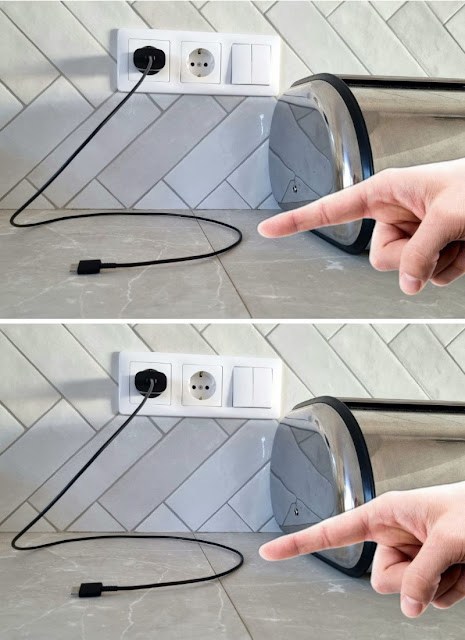
When a phone charger is left in a wall socket without a phone attached, it is still connected to the electrical supply. However, modern chargers are designed with internal circuits that regulate power flow.
In most cases, a charger in standby mode:
- Uses a very small amount of electricity
- Produces minimal heat
- Does not actively charge or overload itself
This is why many experts say it is generally safe—but there are still a few important considerations.
1. Small but Continuous “Phantom Power” Usage
One of the main reasons people are advised to unplug chargers is standby power consumption, also known as “vampire power.”
Even when not charging a device, a plugged-in charger may:
- Draw a small amount of electricity
- Contribute to overall energy usage over time
- Slightly increase electricity bills if many devices are left plugged in
Individually, the amount is small—but across multiple devices in a household, it adds up.
2. Heat Generation and Long-Term Wear
A charger left in the socket for long periods may generate a small amount of heat due to internal electrical components remaining active.
Over time, this can:
- Reduce charger lifespan
- Cause slight wear on internal components
- Increase risk if the charger is low-quality or damaged
High-quality chargers from reputable brands are designed to minimize this risk, but cheaper or uncertified chargers may not have strong safety protections.
3. Electrical Safety Risks from Low-Quality or Damaged Chargers
The biggest concern is not leaving a charger plugged in—but rather the quality and condition of the charger itself.
Risks increase if:
- The charger is counterfeit or unbranded
- The cable is frayed or damaged
- The plug is loose or overheating
- There is poor ventilation around the socket
In rare cases, faulty electrical accessories can lead to overheating or short circuits.
Important Reality Check: Is It Dangerous to Leave Chargers Plugged In?
For most modern, certified chargers, leaving them plugged in without a phone:
- Is not dangerous under normal conditions
- Does not significantly increase fire risk
- Consumes only minimal electricity
The real risk comes from faulty, damaged, or poor-quality chargers, not from normal standby use.
How to Use Chargers Safely
To improve safety and efficiency:
- Unplug chargers when not in use for long periods
- Use certified, branded charging accessories
- Avoid overloading power strips
- Keep chargers away from heat sources or moisture
- Replace damaged cables immediately
- Do not cover chargers while in use
These habits reduce risk and improve energy efficiency.
Energy-Saving Perspective
Unplugging chargers when not in use can:
- Reduce unnecessary energy waste
- Lower electricity costs slightly over time
- Promote better household energy habits
While the savings are small per device, they matter in larger energy-conscious households.
Final Conclusion
Leaving a charger plugged into an outlet without a phone is generally safe with modern, certified devices, but it is still a good habit to unplug it when not in use.
The main reasons for caution are:
- Small standby energy usage
- Slight heat generation over time
- Potential risk from low-quality or damaged chargers
In short, the issue is less about danger and more about efficiency, device longevity, and good electrical safety habits.