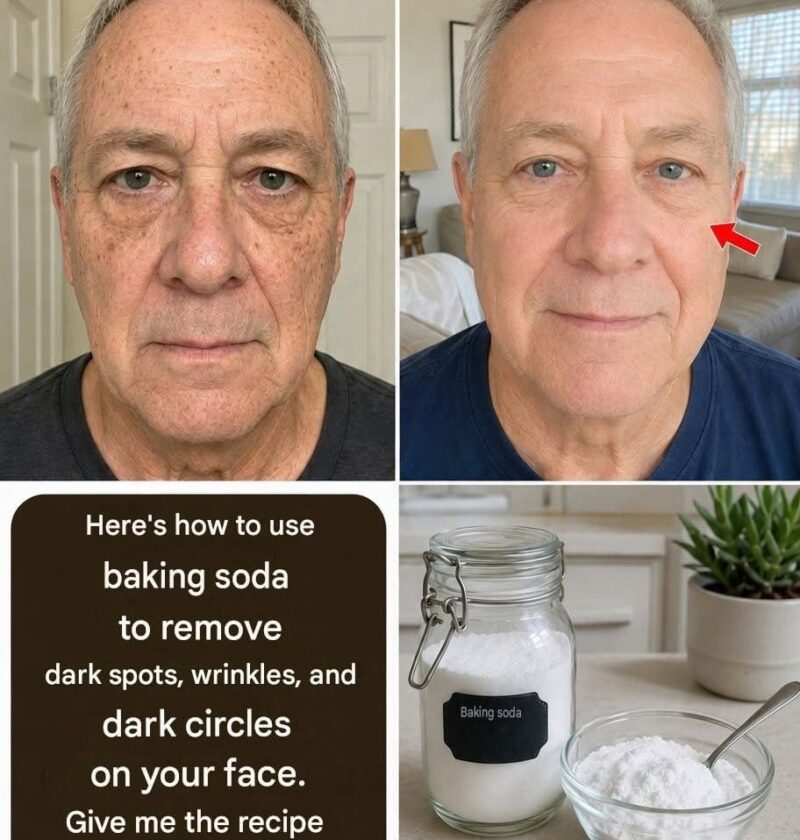
Baking Soda on the Face: Benefits, Risks, and Safer Ways to Use It
Sodium bicarbonate (commonly called baking soda) is sometimes used in DIY skincare because it feels like a gentle scrub and can temporarily change the skin’s surface pH. However, it is not a universally safe facial ingredient. The face’s natural barrier is delicate, and frequent use may cause irritation.
Possible benefits (with caution)
1. Mild exfoliation
Baking soda’s fine particles can remove some surface dead skin cells, making skin feel smoother temporarily.
2. Oil reduction
Its alkaline nature may temporarily reduce the feeling of oiliness, but it can also dry out skin and trigger more irritation.
3. Temporary odor control
Because it can absorb odors, some people use it in body-care products, though the face is more sensitive than areas like feet or underarms.
4. Short-term cleansing effect
Some people report a “clean” feeling after use, but this does not mean it improves skin health long-term.
Risks of using baking soda on your face
⚠️ 1. Skin barrier damage
Healthy skin is slightly acidic. Baking soda is alkaline, and repeated use may disrupt the skin barrier.
Possible signs:
- Burning or stinging
- Redness
- Dryness
- Peeling
- Increased sensitivity
⚠️ 2. Worsening acne or irritation
Harsh scrubbing or barrier damage can make breakouts and inflammation worse for some people.
⚠️ 3. Uneven skin tone
Irritation can sometimes lead to darker marks after inflammation, especially in people prone to pigmentation.
⚠️ 4. Problems for sensitive skin
Avoid or be especially cautious if you have:
- Eczema
- Rosacea
- Very dry skin
- Open cuts or irritated areas
If you choose to try it: safer guidelines
✅ Use it rarely (not daily)
✅ Avoid aggressive scrubbing
✅ Patch test first on a small area
✅ Stop if you feel burning or prolonged redness
✅ Moisturize afterward
✅ Do not mix it with strong acids, retinoids, or harsh exfoliants