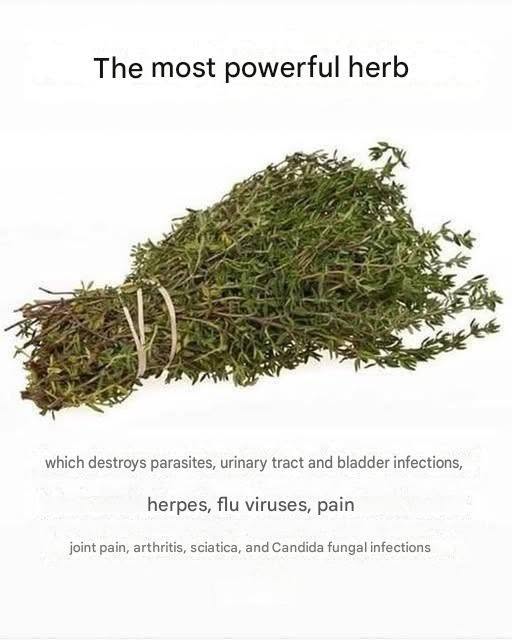
The claim “the most powerful herb that destroys parasites, urinary tract and bladder infections, herpes and flu viruses” is a common type of health headline, but there is no single herb proven to cure or “destroy” all of these conditions.
Some herbs do have compounds that have been studied for antimicrobial or antiviral effects in laboratory research, but laboratory effects do not always translate into a safe, effective treatment in people.
Examples of herbs often mentioned in these claims:
- Garlic (Allium sativum): Contains allicin, which has antimicrobial activity in lab studies. It may support general health, but it is not a replacement for antibiotics or antiviral medicines when needed.
- Oregano oil: Contains compounds such as carvacrol and thymol that show antimicrobial effects in laboratory studies. Concentrated oils can irritate tissues and should not be used casually.
- Cranberry: Some evidence suggests cranberry products may help reduce the risk of some recurrent urinary tract infections in certain people, but they do not treat an active UTI.
- Echinacea: Studied for immune effects and possible influence on cold symptoms, but evidence is mixed.
- Wormwood, clove, and other “parasite cleanse” herbs: Often promoted online, but evidence for eliminating human parasites is limited, and some can be harmful in high doses.
Important points
- UTIs and bladder infections are often bacterial and may require proper diagnosis and antibiotics, especially if there is fever, back/flank pain, pregnancy, or worsening symptoms.
- Herpes viruses remain in the body after infection; no herb has been proven to eradicate herpes.
- Influenza can sometimes require antiviral medication, especially for people at higher risk of complications.
- Parasite infections vary widely and usually need a specific diagnosis and targeted treatment.
If you tell me the name of the herb being advertised (or share the image/link/text of the claim), I can help check whether the specific claims are supported by evidence or are exaggerated.