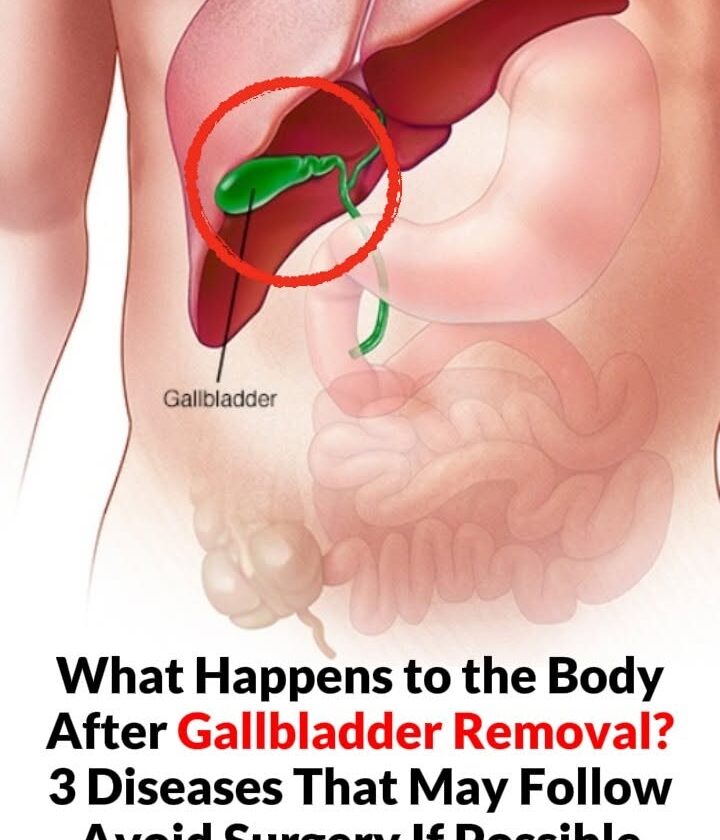
What Happens to the Body After Gallbladder Removal? Understanding the Possible Effects
The gallbladder is a small organ that stores and releases bile, a digestive fluid made by the liver. When the gallbladder is removed (cholecystectomy), the liver continues to make bile, but it flows directly into the small intestine instead of being stored and released when needed.
For most people, gallbladder removal is a safe and effective treatment for problems such as recurrent gallstones, gallbladder inflammation, or blocked bile ducts. It is not usually something to avoid when surgery is medically necessary.
Possible changes after gallbladder removal
1. Digestive changes
Some people experience:
- Loose stools or diarrhea
- Bloating
- Gas
- Discomfort after eating fatty foods
These symptoms often improve as the body adjusts.
2. Bile-related diarrhea (in some people)
Without a gallbladder, bile may enter the intestine more continuously. In some individuals, excess bile reaching the colon can contribute to chronic diarrhea, which can often be treated.
3. Difficulty digesting large fatty meals
The body may handle smaller amounts of fat more easily after surgery. Some people benefit from:
- Eating smaller meals
- Reducing very fatty foods
- Increasing fiber gradually
Are there “3 diseases” caused by gallbladder removal?
Claims that gallbladder removal automatically causes specific serious diseases are misleading. Research does not show that most people develop major diseases simply because their gallbladder was removed. However, some people may have longer-term issues, such as:
- Bile acid diarrhea (a treatable condition caused by excess bile acids in the colon)
- Digestive symptoms such as ongoing bloating or discomfort
- Rare complications related to the bile ducts or surgery itself
Should you avoid gallbladder surgery if possible?
Not always. The decision depends on the reason for surgery.
Gallbladder removal may be recommended when there is:
- Repeated painful gallstone attacks
- Gallbladder infection (cholecystitis)
- Inflammation or complications from gallstones
- A blocked bile duct
Avoiding needed surgery can sometimes lead to more serious problems, including infection, pancreatitis, or other complications