What Are Eye Floaters? What to Do If You Start Seeing Them, According to an Eye Doctor
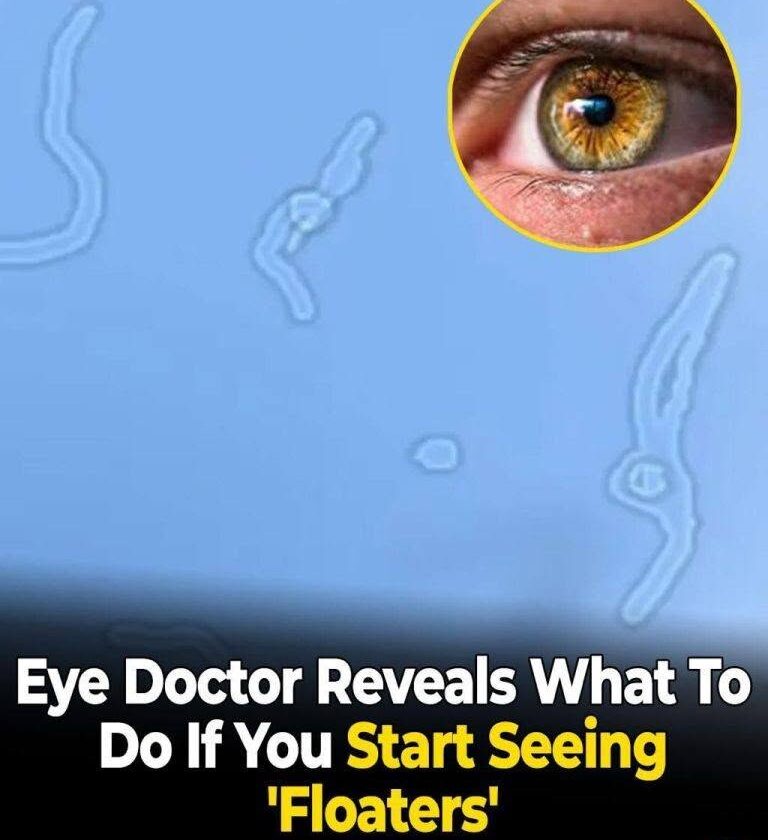
Eye floaters are small shapes that appear to drift across your vision. People often describe them as:
- Tiny dots
- Specks
- Threads or strings
- Cobweb-like shapes
- Shadows that move when the eyes move
They are not usually objects in the environment. Instead, they are caused by changes inside the eye.
Why Do Eye Floaters Happen?
Inside the eye is a clear, gel-like substance called the vitreous humor. As people age, this gel naturally becomes more liquid and can shrink or pull away slightly from the retina (the light-sensitive layer at the back of the eye).
Small clumps or strands can form in the vitreous. When light passes through the eye, these create shadows on the retina, which appear as floaters.
Common causes include:
- Normal ageing changes
- Nearsightedness (myopia)
- Previous eye injury
- Eye inflammation
- Previous eye surgery
- Bleeding inside the eye
Are Eye Floaters Dangerous?
Most floaters are harmless and many people learn to ignore them over time. They often become less noticeable because the brain adapts.
However, a sudden increase in floaters can sometimes be a warning sign of a more serious eye problem.
When Should You See an Eye Doctor Quickly?
Contact an eye doctor promptly if you notice:
🚨 A sudden burst of new floaters
Especially if they appear all at once.
🚨 Flashes of light
Seeing flashes, sparks, or lightning-like streaks may indicate irritation or pulling on the retina.
🚨 A dark curtain or shadow
A shadow moving across your vision can be a sign of retinal detachment, which requires urgent treatment.
🚨 Loss of vision
Any sudden decrease in vision should be checked immediately.
🚨 Eye pain or redness
These may suggest inflammation or another eye condition.
What Should You Do If You Notice Floaters?
1. Don’t panic, but don’t ignore sudden changes
A few occasional floaters are common. The important thing is whether they are new, increasing, or associated with other symptoms.
2. Schedule an eye examination
An eye doctor can examine the retina and check whether the floaters are harmless or linked to a problem.
3. Monitor changes
Pay attention to:
- How many floaters you see
- Whether they are increasing
- Whether flashes appear
- Whether vision changes
Can Eye Floaters Be Treated?
Most floaters do not need treatment.
If floaters are extremely bothersome and affect daily activities, an eye specialist may discuss options such as:
- Observation: Most common approach
- Laser treatment: Sometimes used in selected cases
- Vitrectomy surgery: A procedure that removes the vitreous gel; usually reserved for severe cases because it carries risks
Can You Prevent Floaters?
Many age-related floaters cannot be prevented, but protecting eye health can help:
- Wear protective eyewear during risky activities
- Manage conditions such as diabetes
- Have regular eye checks
- Protect eyes from harmful sunlight with suitable sunglasses