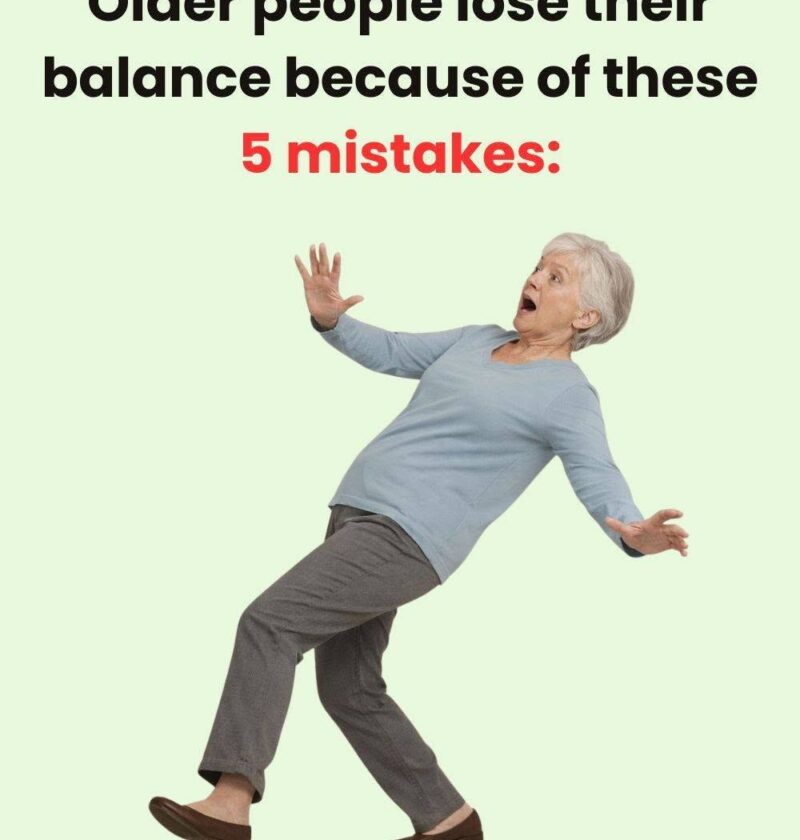
Balance problems become more common with age, but many contributing factors can be improved. Some everyday habits and situations can increase the risk of dizziness, instability, and falls.
Common mistakes that can affect balance in older adults
- Not staying physically active
- Weak leg muscles and reduced flexibility can make it harder to steady yourself.
- Regular walking, strength exercises, and balance training can help maintain stability.
- Ignoring vision changes
- Poor vision makes it harder to judge steps, obstacles, and distances.
- Regular eye checks and updated glasses can reduce fall risk.
- Wearing unsafe footwear
- Slippers without support, loose shoes, or slippery soles can increase the chance of slipping.
- Supportive, well-fitting shoes are usually safer.
- Getting up too quickly
- Standing suddenly can cause a drop in blood pressure (orthostatic hypotension), leading to lightheadedness.
- Sit at the edge of the bed for a moment before standing.
- Not reviewing medications
- Some medicines can cause dizziness, drowsiness, or low blood pressure.
- Regular medication reviews with a healthcare professional can help identify possible contributors.
- Dehydration
- Not drinking enough fluids can contribute to weakness, dizziness, and confusion.
- Older adults may not always feel thirsty, so regular fluid intake is important unless a doctor has advised restrictions.
- Poor lighting at home
- Dim hallways, stairs, and bathrooms increase the chance of tripping.
- Night lights and clear pathways can help.
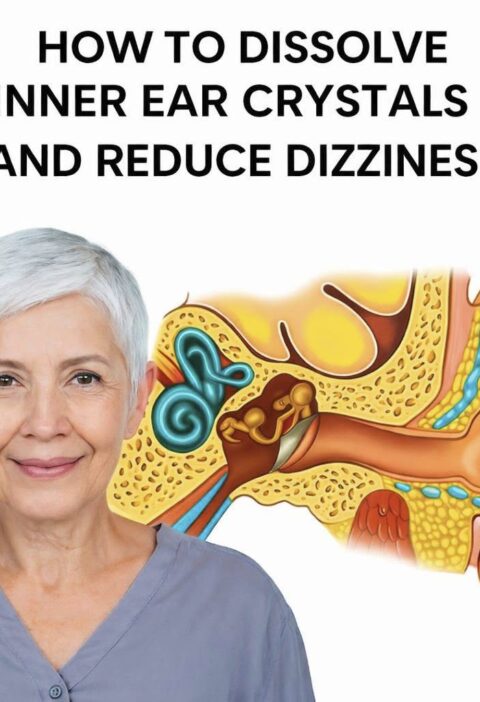
- Ignoring inner ear or balance problems
- Conditions such as BPPV (“loose ear crystals”) can cause sudden spinning sensations and should be evaluated if recurring.
- Skipping strength and balance exercises
- Exercises such as tai chi, chair exercises, and supervised balance training can improve coordination and confidence.
When to seek medical advice
A healthcare professional should evaluate balance problems that are:
- New or worsening
- Associated with falls
- Accompanied by fainting, severe dizziness, weakness, numbness, speech changes, or sudden severe headache
Maintaining muscle strength, checking vision and hearing, reviewing medications, and making the home safer are some of the most effective ways to protect balance as we age.