Darker, Thicker Skin Around the Ankles: What Could Be Causing It?
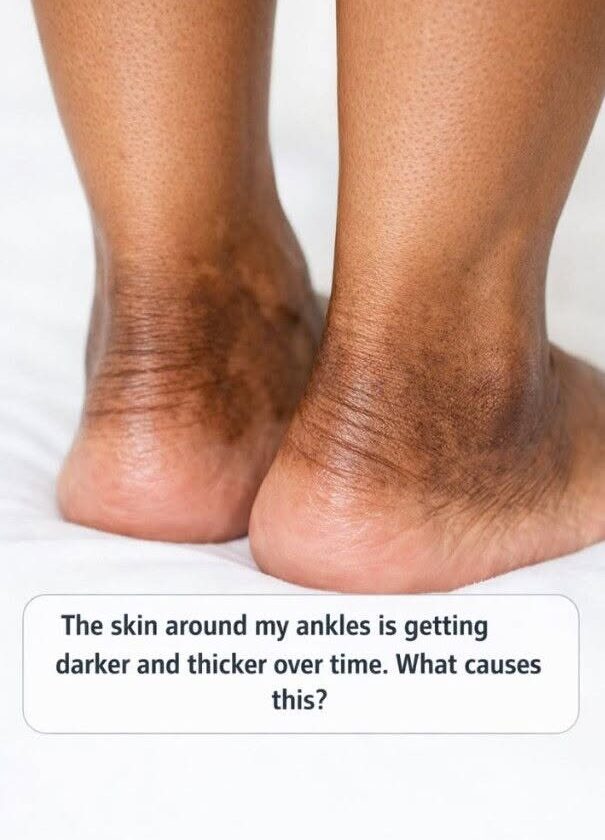
Skin around the ankles that becomes darker, thicker, rough, or leathery over time is a common change, but it can happen for several reasons. One of the most frequent causes is related to blood circulation in the veins of the legs.
1. Chronic Venous Insufficiency (Poor Vein Circulation)
This is one of the most common causes of ankle skin changes.
When the veins in the legs do not return blood efficiently back to the heart, blood can collect in the lower legs. Over time, this may cause:
- Brown or reddish skin colouring around the ankles
- Thickened or hardened skin
- Swelling, especially after standing
- Aching or heaviness in the legs
- Itching or dryness
The darker colour often comes from iron-containing pigments leaking from small blood vessels into the skin.
2. Varicose Veins
Enlarged, twisted veins can increase pressure in the leg veins and contribute to:
- Dark patches near the ankles
- Skin texture changes
- Swelling
- Leg discomfort
3. Eczema or Skin Inflammation
Long-term irritation or inflammation can cause the skin to become:
- Thickened
- Scaly
- Darker than surrounding skin
Scratching repeatedly can make the skin even thicker.
4. Diabetes-Related Skin Changes
People with diabetes may develop skin changes due to:
- Circulation problems
- Nerve changes
- Increased risk of infections
- Slow healing
Dark, thickened skin around the ankles is not always caused by diabetes, but persistent changes are worth discussing with a healthcare professional.
5. Repeated Friction or Pressure
Tight shoes, socks, or repeated rubbing can cause:
- Thickened skin
- Dark patches
- Callus-like areas
6. Previous Injury or Inflammation
After an injury, infection, or repeated swelling, the skin may develop darker pigmentation that remains for months or years.
What You Can Do
Depending on the cause, helpful steps may include:
✅ Keep the skin moisturised to reduce dryness and cracking
✅ Avoid scratching irritated areas
✅ Stay physically active to support circulation
✅ Elevate your legs when resting if swelling occurs
✅ Avoid tight clothing around the ankles
✅ Maintain healthy blood pressure, blood sugar, and weight
If vein problems are suspected, a clinician may recommend treatments such as compression therapy or further circulation checks.
When to See a Doctor
Arrange a medical check if you notice:
- Rapidly worsening darkening or thickening
- Leg swelling that is new or increasing
- Pain, warmth, redness, or skin ulcers
- Open sores near the ankle
- One leg becoming much more swollen than the other
- Sudden changes in colour or sensation