Swollen Ankles in Hot Weather: 3 Common Causes Doctors Often See
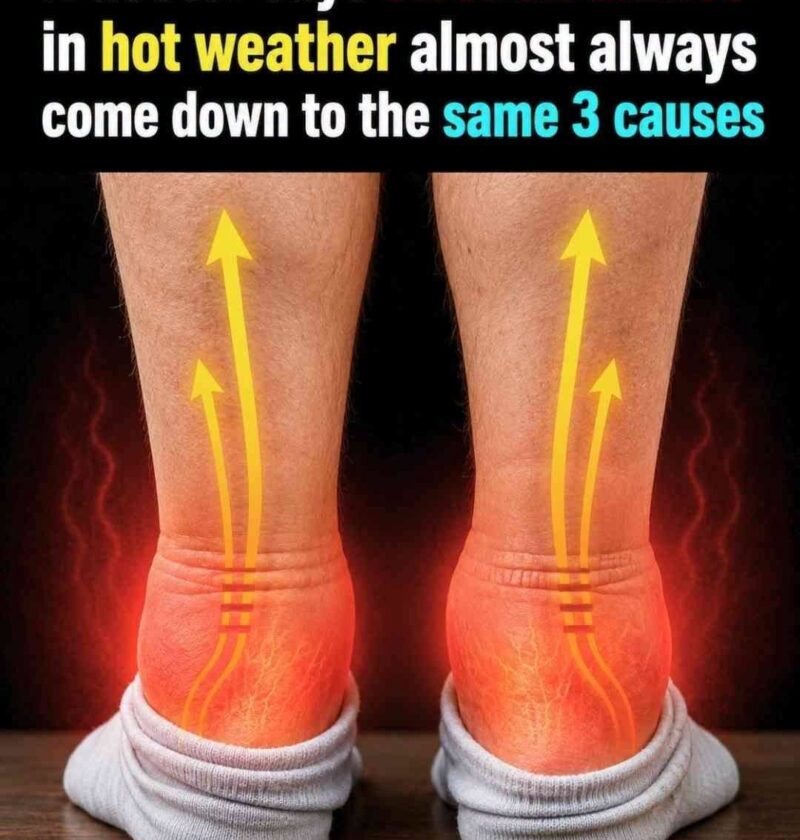
Swollen ankles during hot weather are very common, especially after standing for long periods, travelling, or spending time outdoors. In many cases, the swelling is caused by temporary fluid buildup, but sometimes it can point to an underlying health issue.
Here are three common reasons doctors often consider.
1. Heat Causes Blood Vessels to Widen
When temperatures rise, your body tries to cool itself by widening blood vessels near the skin.
This can lead to:
- More blood pooling in the legs
- Fluid leaking into surrounding tissues
- Swelling around the ankles and feet
This is often called heat oedema and is usually mild.
It may improve with:
- Elevating your legs
- Moving around regularly
- Staying hydrated
- Cooling down
2. Fluid Retention From Standing or Sitting Too Long
Gravity naturally pulls fluid toward the lower parts of the body. Hot weather can make this effect more noticeable.
You may notice swelling after:
- Long periods of standing
- Sitting at a desk all day
- Long car or plane journeys
- Limited movement
Helpful steps include:
- Walking regularly to activate calf muscles
- Avoiding sitting in one position for hours
- Raising your feet when resting
3. Vein Circulation Problems
The veins in your legs have valves that help push blood back toward the heart. If these valves do not work efficiently, blood can collect in the lower legs.
Possible signs include:
- Ankle swelling that worsens throughout the day
- Aching or heaviness in the legs
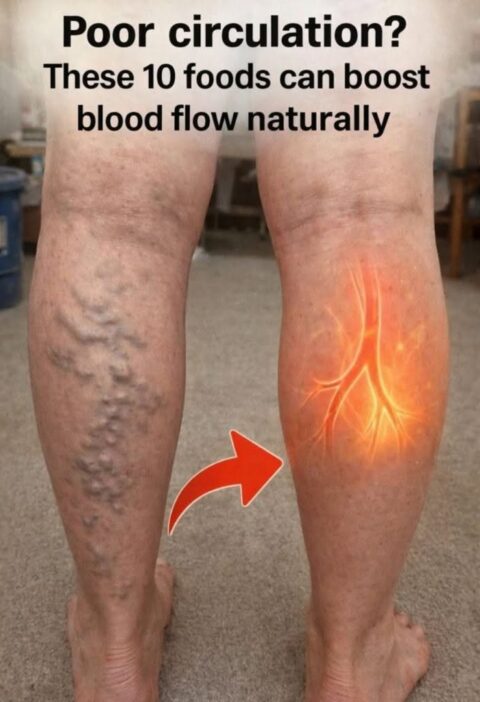
- Visible varicose veins
- Skin changes around the ankles
A healthcare professional can assess whether this is related to chronic venous insufficiency or another circulation issue.
Other Possible Causes of Swollen Ankles
Although heat is a common trigger, ankle swelling can also be linked to:
- Certain medications (including some blood pressure medicines)
- Kidney problems
- Heart conditions
- Liver disease
- Inflammation or injury
- Blood clots
When Swollen Ankles Need Medical Attention
Seek medical advice promptly if swelling is:
🚨 Sudden and affects only one leg
🚨 Painful, red, or warm
🚨 Associated with chest pain or shortness of breath
🚨 Getting worse quickly
🚨 Accompanied by severe fatigue or unusual symptoms
Simple Ways to Reduce Heat-Related Swelling
✅ Raise your legs above heart level when resting
✅ Walk and stretch your legs regularly
✅ Reduce excessive salt intake
✅ Drink enough water
✅ Wear comfortable, supportive footwear
✅ Avoid sitting or standing still for long periods