A mini-stroke (also called a transient ischemic attack, or TIA) happens when blood flow to part of the brain is briefly blocked. Symptoms may last only minutes or hours and can disappear, but a TIA is a warning sign of possible future stroke and needs medical attention.
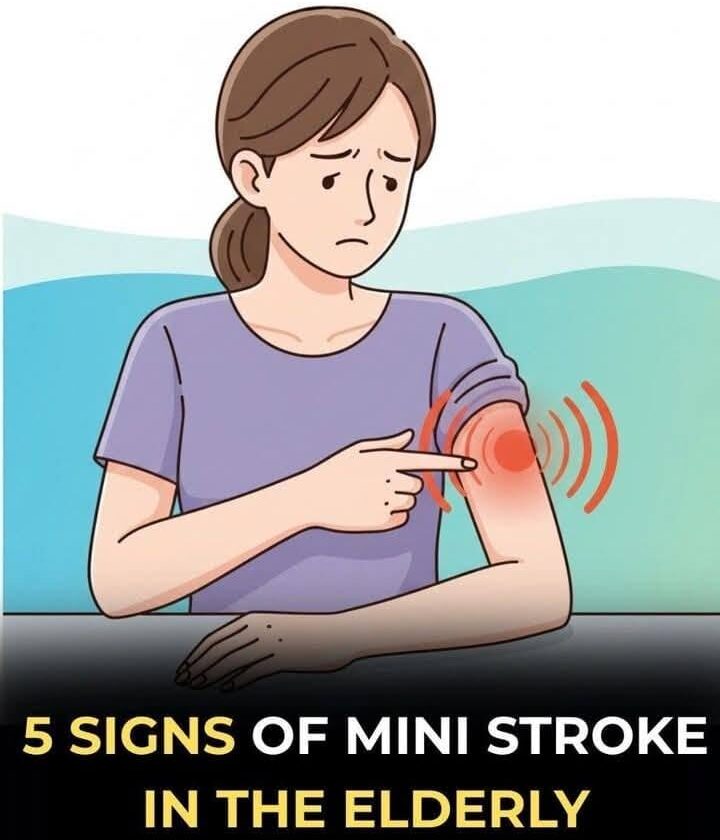
5 signs of a mini-stroke in the elderly
- Sudden weakness or numbness
- Weakness, tingling, or numbness—especially on one side of the face, arm, or leg.
- The person may suddenly drop objects or have trouble walking.
- Trouble speaking or understanding
- Slurred speech, difficulty finding words, confusion, or trouble understanding others.
- They may seem suddenly “not like themselves.”
- Sudden vision problems
- Blurred vision, double vision, or temporary loss of vision in one or both eyes.
- Dizziness, loss of balance, or coordination problems
- Sudden trouble standing, walking, or controlling movements.
- They may feel unusually unsteady or clumsy.
- Sudden severe headache or unusual symptoms
- A sudden, intense headache (especially if different from usual), sometimes with nausea or confusion.
- Some people may have sudden memory problems or unusual behavior changes.
Use the FAST test
- F — Face: Ask the person to smile. Does one side droop?
- A — Arms: Ask them to raise both arms. Does one drift downward?
- S — Speech: Ask them to repeat a simple sentence. Is speech strange or unclear?
- T — Time: If any sign appears, seek emergency medical help immediately.
Even if symptoms disappear, a person who may have had a TIA should be evaluated by a healthcare professional as soon as possible because treatment can reduce the risk of a major stroke. If symptoms are happening right now, call emergency services.