Sebaceous Cysts Explained: Causes, Treatment, and Home Care
The term “sebaceous cyst” is commonly used for small lumps under the skin, but many of these are actually epidermoid cysts (cysts filled with keratin, a protein from skin cells). True sebaceous cysts are less common.
These cysts are usually benign (not cancerous) and often do not require treatment unless they become painful, infected, or bothersome.
What Causes Sebaceous/Epidermoid Cysts?
A cyst can form when skin cells become trapped beneath the surface instead of naturally shedding.
Common triggers include:
1. Blocked Skin Pores or Hair Follicles
A blocked opening can cause material to build up and form a lump.
2. Skin Injury
Trauma to the skin may sometimes trap cells beneath the surface, leading to cyst formation.
3. Inflammation or Irritation
Repeated irritation or swelling around a follicle may contribute.
4. Genetics
Some people are more prone to developing multiple cysts.
5. Certain Skin Conditions
Conditions that affect hair follicles or skin turnover can increase the likelihood of cysts.
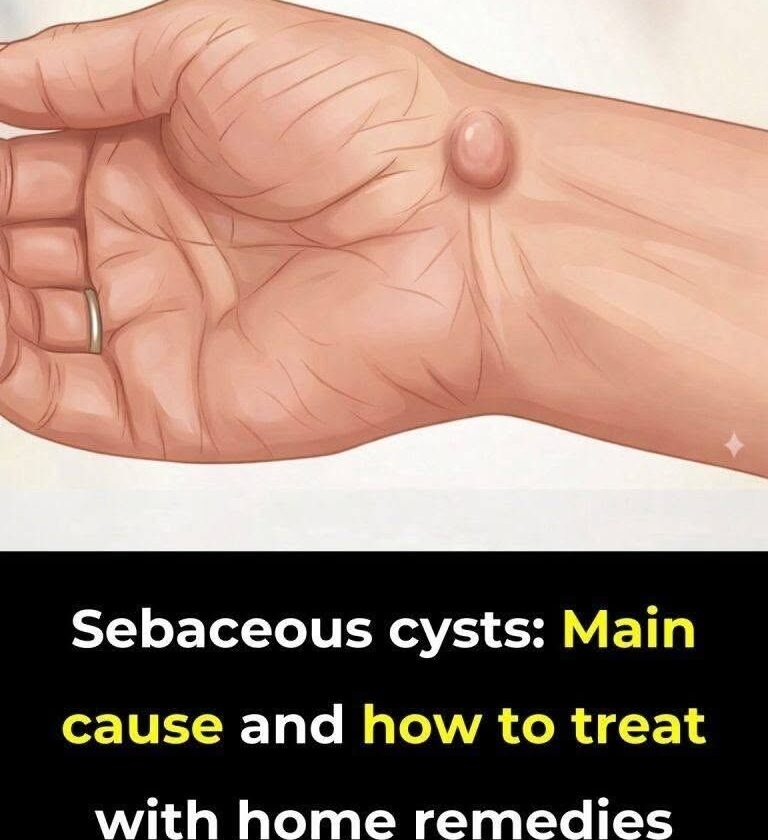
What Do They Look Like?
Typical features include:
- A round, smooth lump under the skin
- Slow growth over time
- A firm or rubbery feel
- Sometimes a small central opening (“punctum”)
- Often painless unless inflamed
They can appear on the:
- Face
- Neck
- Scalp
- Back
- Chest
- Other areas with hair follicles
Home Care: What You Can Do
1. Warm Compresses
Applying a warm, damp cloth for 10–15 minutes several times a day may:
- Reduce discomfort
- Encourage natural drainage if the cyst is close to the surface
It usually will not remove the cyst completely.
2. Keep the Area Clean
- Wash gently with mild soap and water.
- Avoid rubbing or irritating the area.
3. Avoid Squeezing or Popping It
Trying to pop a cyst can:
- Push material deeper into the skin
- Increase inflammation
- Cause infection
- Lead to scarring
4. Reduce Friction
If the cyst is in an area where clothing or equipment rubs against it, reducing irritation may help prevent flare-ups.
Medical Treatments
If a cyst is persistent or troublesome, a healthcare professional may recommend:
Drainage
A doctor can drain an inflamed cyst, but simple drainage may not prevent it from returning.
Steroid Injection
A corticosteroid injection may reduce swelling in an inflamed cyst.
Surgical Removal
The most definitive treatment is complete removal of the cyst wall. This lowers the chance of it coming back.
When to See a Healthcare Professional
Seek medical advice if the lump:
- Becomes red, warm, or very painful
- Grows quickly
- Starts draining pus or has a bad smell
- Changes in appearance
- Keeps returning after treatment
- Is causing concern because the diagnosis is uncertain