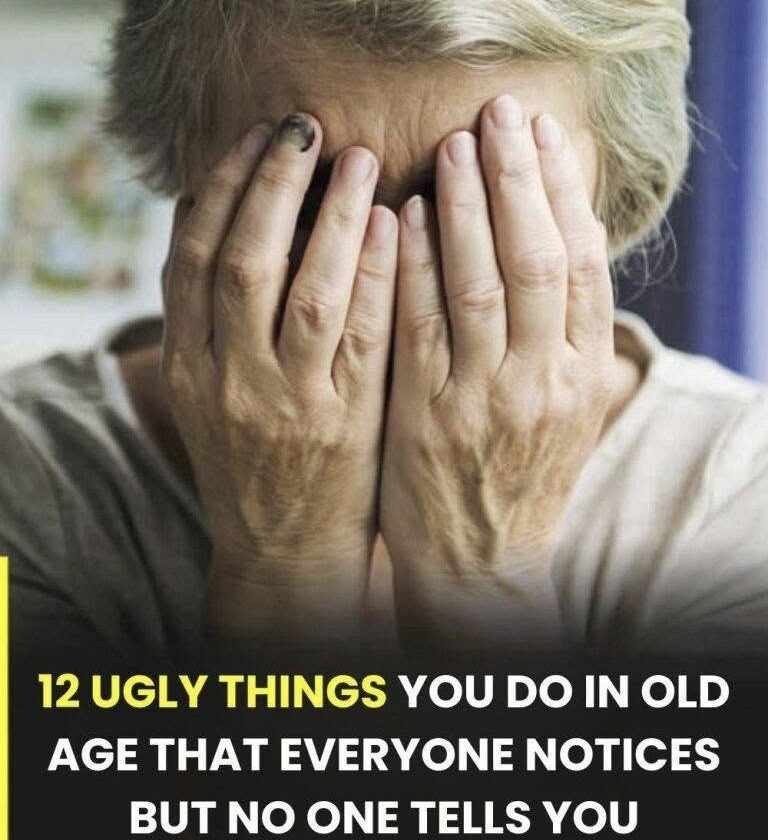
12 Things People May Notice in Older Age (But May Be Too Polite to Mention)
Aging brings wisdom, experience, and many positive changes—but it can also come with habits or changes that affect how others experience our presence. Many of these are not intentional and can often be improved with small adjustments.
Here are 12 common things people may notice, along with practical solutions.
1. Neglecting Personal Hygiene
Sometimes changes in mobility, memory, energy, or senses of smell can make grooming harder.
People may notice:
- Strong body odor
- Unwashed hair
- Stained clothing
What helps:
Create simple routines, use reminders, and ask for support if daily tasks become difficult.
2. Wearing the Same Clothes Too Often
Comfort becomes increasingly important with age, but wearing the same outfit repeatedly without washing it can affect how others perceive you.
What helps:
Have a few comfortable outfits that are easy to wash and rotate.
3. Ignoring Dental Care
Dental health affects more than appearance—it can affect eating, speech, and overall health.
People may notice:
- Bad breath
- Dental problems
- Difficulty chewing
What helps:
Regular dental checkups, daily brushing, and cleaning dentures properly if applicable.
4. Speaking Too Loudly
Hearing loss is common with aging, and some people unconsciously increase their volume.
What helps:
Consider a hearing check if others frequently ask you to lower your voice or repeat yourself.
5. Repeating the Same Stories Frequently
Sharing favorite memories is normal, but repeating the same story many times may be noticeable.
What helps:
Keep notes of conversations, ask others questions, and practice active listening.
6. Complaining Constantly
Frequent negativity can unintentionally push people away.
What helps:
Balance concerns with positive conversations, gratitude, humor, and curiosity about others.
7. Not Adapting to Technology
Technology can be frustrating, but refusing to learn basic tools may create dependence.
Examples:
- Ignoring important messages
- Struggling with online services
- Avoiding helpful devices
What helps:
Learn one skill at a time and ask trusted people for guidance.
8. Interrupting or Dominating Conversations
Some people become less aware of conversational balance over time.
What helps:
Pause before responding, ask others questions, and give everyone space to speak.
9. Ignoring Home Cleanliness
A cluttered or poorly maintained home can become noticeable.
What helps:
Use small daily cleaning habits, simplify belongings, and get help with tasks that have become physically challenging.
10. Refusing Help When It’s Needed
Independence is valuable, but refusing all assistance can create stress for both you and loved ones.
What helps:
Accept support as a tool for maintaining independence, not losing it.
11. Neglecting Physical Activity
Less movement can lead to:
- Reduced strength
- Poor balance
- Lower confidence
What helps:
Walking, stretching, balance exercises, and strength training (when appropriate) can support mobility.
12. Forgetting Social Manners and Consideration
Small habits can affect relationships, such as:
- Not letting others speak
- Ignoring personal space
- Being dismissive of younger generations
What helps:
Stay curious, listen actively, and remain open to different perspectives